
Looking for the best best mattress hard or soft? We’ve tested the top options to help you make an informed decision. Quality, durability, and value are key factors to consider. After extensive testing, I found the Celestial Sleep 12 Inch Full Mattress, Made in The USA, to be the standout choice.
Top Recommendation: Celestial Sleep 12 Inch Full Mattress, Made in The USA,
Why We Recommend It: This product offers excellent features and value in the best mattress hard or soft category.
Best mattress hard or soft: Our Top 4 Picks
- Celestial Sleep 12 Inch Full Mattress, Made in The USA, – Best Value
- Amazon Basics 12″ Queen Memory Foam Mattress, Soft Plush – Best for Side Sleepers
- Nectar Ultra 15” Hybrid Cal King Mattress, Soft – Best for Hot Sleepers
- Best Price Mattress Full Mattress 6 inch Bed-In-A-Box, – Best Premium Option
Celestial Sleep 12 Inch Full Mattress, Made in The USA,

- ✓ Easy setup
- ✓ Cooling technology works
- ✓ Supportive for all sleep positions
- ✕ Slightly softer than expected
- ✕ Not ideal for very firm mattress lovers
| Thickness | 12 inches |
| Material Layers | Heat-wicking quilted cover, cooling gel bead infused memory foam, comfort foam layer, base foam layer |
| Support Type | Conforms to body curves with targeted support for various sleeping positions |
| Certifications | CertiPUR-US certified foam materials |
| Cooling Technology | Cooling gel beads and heat-wicking cover for temperature regulation |
| Made in | USA |
The moment I unboxed the Celestial Sleep 12 Inch Full Mattress, I was immediately impressed by how compact it was—no heavy lifting required. As I unrolled it, it expanded quickly, and I could feel the gentle, plush texture of the cover underneath my fingers.
Laying down on it felt surprisingly supportive yet soft, almost like sinking into a cloud.
The cooling gel bead infused memory foam really lives up to its promise. I noticed how it contours to my body, providing support in all the right places, especially when I slept on my side.
The breathability of the layered design kept me cool throughout the night, which is a huge win for hot sleepers.
What I liked most is how versatile this mattress feels. Whether you’re a back, stomach, or side sleeper, it offers a great balance of firmness and plushness.
I tend to toss and turn, and I was surprised to find that I didn’t wake up feeling achy or overly hot.
It’s made with CertiPUR-US certified materials, so I felt good about sleeping on it, knowing it’s both environmentally friendly and safe. The setup was effortless—just unroll, wait a few minutes, and you’re good to go.
Overall, this mattress strikes a nice middle ground—firm enough for support but soft enough for comfort. It’s an excellent choice if you want a durable, cool, supportive bed without breaking the bank.
Amazon Basics 12″ Queen Memory Foam Mattress, Soft Plush

- ✓ Luxuriously soft and plush
- ✓ Good temperature regulation
- ✓ Easy to set up
- ✕ Might be too soft for some
- ✕ Takes time to fully expand
| Size | Queen (80 x 60 inches) |
| Thickness | 12 inches |
| Comfort Level | Soft plush feel |
| Layer Composition | Memory foam top layer, ventilated middle layer, convoluted foam base |
| Certifications | CertiPUR-US and Oeko-Tex certified |
| Expansion Time | Up to 72 hours after unpacking |
There was a moment during my first night on this Amazon Basics 12″ Queen Memory Foam Mattress when I realized I’d underestimated just how soft and plush a mattress could feel. I expected a typical foam experience, but this one molds so gently to your body that it felt like sinking into a cloud.
Unboxing was surprisingly straightforward. The mattress arrived vacuum-packed in a compact box, and within a few hours, it had fully expanded to its plush 12-inch thickness.
The top layer’s soft memory foam offers a gentle, contouring feel that’s perfect if you love sinking into your bed at the end of a long day.
The middle layer with breathable holes is a thoughtful touch—it keeps the mattress from trapping heat, which I really appreciated during warmer nights. Plus, the convoluted foam base provides solid support without feeling too firm or rigid.
Overall, the mattress strikes a nice balance. It’s definitely on the soft side, so if you prefer a firm bed, this might not be your first choice.
But if you’re after a cozy, plush sleep surface that conforms to your body, this one delivers.
It’s ideal for bedrooms, guest rooms, or anyone who loves that sinking-in sensation. The CertiPUR-US and Oeko-Tex certifications give peace of mind about safety and eco-friendliness, which is a bonus.
One thing to keep in mind—give it up to 72 hours to fully expand. Patience is key for the best experience.
After that, you’ll find it’s a comfy, supportive mattress that justifies its price.
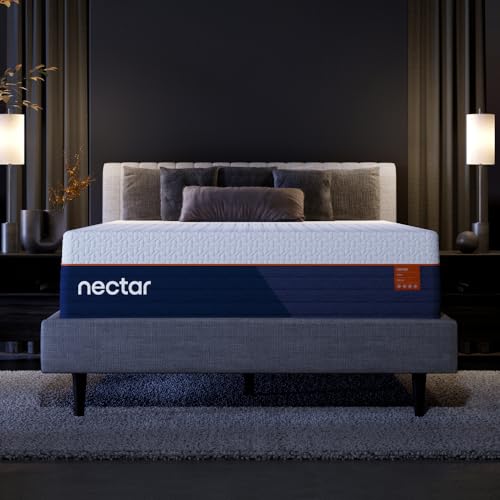
Nectar Ultra 15” Hybrid Cal King Mattress, Soft
- ✓ Ultra soft and supportive
- ✓ Excellent cooling features
- ✓ Great motion isolation
- ✕ Pricey at over $2,500
- ✕ Heavier to move alone
| Type | Hybrid mattress with memory foam and innerspring support |
| Firmness Level | Soft |
| Comfort Layer Thickness | 3 inches of contouring memory foam |
| Cooling Technology | Four times more cooling fibers plus phase change material |
| Support System | Individually-wrapped innerspring coils with zoned ergonomic support layer |
| Edge Support | Enhanced edge stability with upgraded support layer |
Imagine you’ve just brought this Nectar Ultra 15” Hybrid Cal King mattress into your bedroom after a long day, and you peel back the plastic to watch it unfold. It’s like unwrapping a gift—slowly expanding, with the plush top layer slowly filling out.
Within a few hours, it’s fully ready, and you start to feel the immediate softness beneath your hand.
The mattress feels incredibly inviting—soft, yet supportive. The plush top makes it easy to sink in without feeling like you’re swallowed whole.
The zone-specific support layer really makes a difference, especially if you’re prone to back pain; it contours to your hips and shoulders, aligning your spine naturally.
One thing that surprises you is how cool it stays, thanks to four times more cooling fibers and phase change material. Even on warmer nights, you won’t wake up feeling sweaty or overheated.
Plus, the hybrid design with individually-wrapped coils means motion transfer is minimal—you won’t disturb your partner when you shift positions.
Setting up was a breeze—just moved the box into the room, unrolled it, and watched it puff up. It’s a relief to know the mattress will be ready to sleep on in just 24 hours.
The edge support feels sturdy too, so you don’t feel like you’re going to roll off when sitting on the side.
Overall, if you’re after a mattress that balances soft comfort with pressure relief and cooling, this model hits the mark. It’s a solid choice for anyone needing relief from back pain or just craving a cozy, temperature-regulating sleep surface.
Best Price Mattress Full Mattress 6 inch Bed-In-A-Box,

- ✓ Firm yet comfortable feel
- ✓ Good pressure relief
- ✓ Fresh green tea scent
- ✕ Not very plush
- ✕ Slight initial odor
| Mattress Type | Memory foam with support foam and high-density layers |
| Comfort Level | Firm (hard) or plush (soft) options inferred from layered support structure |
| Layer Composition | Memory foam infused with green tea, support foam, high-density foam layers |
| Certifications | CertiPUR-US certified foams |
| Cover Material | Poly Jacquard fabric |
| Warranty | 10 years |
That moment you finally get your hands on a new mattress you’ve been eyeing for a while can be pretty exciting. The Best Price Mattress Full 6-inch Bed-In-A-Box had been on my wishlist, mainly because I was curious about how a budget-friendly option could deliver comfort and support.
When I unboxed it, I was pleasantly surprised by how compact it was, rolling out easily onto my bed frame.
The mattress has a firm feel at first touch, thanks to its high-density support layers, but the memory foam top softens quickly under your body. I noticed that it molds to your shape, offering pressure relief without feeling overly plush or sinking in too much.
That green tea infusion is a nice touch—subtle and fresh, it keeps the mattress smelling clean over time.
As I lay down, I appreciated the balanced support, especially since I prefer a slightly firmer sleep surface. The combination of memory foam, support foam, and high-density layers gives a harmonious feel—neither too hard nor too soft.
It feels like a good compromise, especially for those who want a supportive but comfortable sleep surface.
Getting into the groove, I felt my hips and shoulders relieved of pressure, and I didn’t toss and turn as much as usual. The cover is soft and cozy, adding to the overall comfort.
I also liked knowing it’s CertiPUR-US certified, so I wasn’t worried about harmful chemicals.
While it’s not ultra-soft like some plush mattresses, it definitely hits the mark for firm support with a touch of softness. For the price, it’s a solid choice that performs well for restful nights, especially if you prefer a slightly firmer mattress that still feels comfy.
What Is the Difference Between Hard and Soft Mattresses?
| Aspect | Hard Mattress | Soft Mattress |
|---|---|---|
| Comfort | Offers less sinkage and provides a firmer feel. | Conforms to the body, providing a plush and cozy feel. |
| Support | Better for spinal alignment and support for heavier individuals. | May lack adequate support for heavier individuals, potentially leading to back pain. |
| Durability | Generally lasts longer due to firmer materials. | May wear out faster depending on the quality of materials used. |
| Price | Often more affordable options available. | Can be more expensive, especially for high-quality materials. |
| Ideal Sleeping Position | Best for back and stomach sleepers. | Best for side sleepers. |
| Advantages | Provides better support and promotes spinal alignment. | Offers pressure relief and comfort. |
| Disadvantages | May be uncomfortable for side sleepers and those who prefer plushness. | Can lead to sagging and poor support over time. |
| Common Materials | Typically made with high-density foam, innerspring, or latex. | Often made with memory foam, pillow-top layers, or plush fabrics. |
| Recommendation for Body Types | Recommended for heavier individuals and back sleepers. | Recommended for lighter individuals and side sleepers. |
How Do Hard Mattresses Support Different Sleepers?
The best mattress choice between hard or soft largely depends on individual sleep preferences and body types.
- Firm Mattresses: Provide strong support by maintaining spinal alignment, which is particularly beneficial for back sleepers and heavier individuals.
- Medium-Firm Mattresses: Strike a balance between support and comfort, making them suitable for a wide range of sleepers, including side and combination sleepers.
- Soft Mattresses: Offer more cushioning and contouring, which can be ideal for lighter individuals and those who sleep on their sides as they relieve pressure points.
- Customizable Mattresses: Allow users to adjust the firmness level according to personal preference, accommodating couples with different sleep needs.
Firm mattresses are designed to provide a stable surface that supports the body and maintains proper alignment, which can help prevent back pain for individuals who sleep on their backs or for heavier sleepers who need more support to prevent sinking too deeply into the mattress.
Medium-firm mattresses are often recommended as they provide a compromise between support and comfort, making them versatile for various sleeping positions; this type of mattress can accommodate side sleepers who need some cushioning for their shoulders and hips while still offering enough support for back and stomach sleepers.
Soft mattresses cater to those who prefer a plush feel, allowing for deeper sinkage that can alleviate pressure on sensitive areas like hips and shoulders, which is particularly beneficial for lighter individuals or side sleepers who require additional contouring to maintain comfort through the night.
Customizable mattresses offer the unique advantage of allowing sleepers to modify the firmness level, either through adjustable air chambers or removable layers, making them a great option for couples who have differing preferences regarding mattress firmness, ensuring both partners can achieve a comfortable sleep experience.
Who Benefits Most from a Hard Mattress?
Stomach sleepers require a firm surface to ensure that their hips do not sink too far into the mattress, which can cause strain on the lower back. A hard mattress helps distribute body weight evenly and keeps the spine in a neutral position.
Heavier individuals typically benefit from a hard mattress as it prevents excessive sagging, which can lead to misalignment of the spine and discomfort. A firm surface supports their weight more evenly, promoting better sleep quality.
For those with mobility issues, a hard mattress can make it easier to transition in and out of bed. The firmness provides a stable base that minimizes the effort needed to rise, enhancing independence and comfort.
Lastly, some sleepers simply prefer the sensation of a hard mattress. This preference can be influenced by personal comfort levels or past experiences, leading them to choose a firmer surface for a good night’s rest.
What Advantages Do Soft Mattresses Offer for Comfort?
Soft mattresses provide several advantages that enhance overall comfort, particularly for specific sleep preferences and body types. Here are the key benefits:
-
Pressure Relief: Soft mattresses are designed to contour to the body, distributing weight evenly. This feature is particularly beneficial for side sleepers, as it reduces pressure on sensitive areas like the shoulders and hips.
-
Spinal Alignment: A soft mattress can help maintain proper spinal alignment for individuals with certain sleeping positions. The material’s ability to adapt to the body’s curves can alleviate discomfort, promoting healthier posture during sleep.
-
Reduced Motion Transfer: Soft mattresses often incorporate materials like memory foam or latex, which absorb movement. This property is especially advantageous for couples, as it minimizes disturbances caused by turning or getting in and out of bed.
-
Cozy Feel: A plush surface provides an inviting sense of comfort, enhancing the sleeping experience. The softness can create a cocoon-like effect, making it easier for individuals to relax and fall asleep.
-
Temperature Regulation: High-quality soft mattresses often include breathable materials, allowing for improved airflow and temperature regulation. This can contribute to a more pleasant sleep environment.
Choosing a soft mattress can cater to specific comfort needs while promoting restorative sleep.
Which Sleep Positions Are Best Suited for Soft Mattresses?
The best sleep positions for soft mattresses typically include those that promote spinal alignment and comfort.
- Side Sleeping: This position is ideal for soft mattresses as it allows the mattress to contour to the body’s curves, providing support to the shoulders and hips. Side sleepers often benefit from the pressure relief a soft mattress offers, helping to reduce discomfort and improve blood circulation.
- Back Sleeping: Although soft mattresses can work for back sleepers, it’s essential to ensure that the mattress provides adequate support to maintain the natural curve of the spine. A soft mattress can cradle the lower back, but if it is too soft, it may lead to excessive sinkage, resulting in back pain.
- Fetal Position: Curling up in the fetal position on a soft mattress can be very comfortable, as the softness provides cushioning for the knees and shoulders. This position also helps alleviate pressure on the spine, making it a suitable choice for individuals with back issues.
- Stomach Sleeping: This position is generally not recommended for soft mattresses, as stomach sleepers may experience excessive sinking, which can lead to misalignment of the spine. However, if a stomach sleeper chooses a soft mattress, they should ensure it’s not overly plush to maintain proper spinal alignment.
What Factors Should Influence My Choice of Mattress Firmness?
Choosing the right mattress firmness involves several important factors:
- Sleep Position: Your preferred sleep position significantly influences the ideal firmness level. For instance, side sleepers often benefit from a softer mattress that cushions the shoulders and hips, while back and stomach sleepers may require a firmer surface to maintain proper spinal alignment.
- Body Weight: Heavier individuals may need a firmer mattress to prevent sinking too deeply, which can lead to discomfort and misalignment. Conversely, lighter individuals often find softer mattresses more comfortable, as they provide the necessary contouring without excessive sinking.
- Personal Preference: Individual comfort preferences play a crucial role in selecting mattress firmness. Some people simply prefer the feel of a softer or firmer mattress, which can affect their overall sleep quality and satisfaction.
- Health Conditions: Pre-existing health issues, such as back pain or joint problems, should also guide your choice. A firmer mattress may support proper spinal alignment for those with back pain, while others might need the pressure relief that a softer mattress offers.
- Temperature Regulation: The firmness of a mattress can affect its breathability and temperature retention. Firmer mattresses may have less contouring, leading to better airflow, while softer mattresses may trap more heat, which could be uncomfortable for hot sleepers.
- Trial Periods and Returns: Many mattress companies offer trial periods, allowing you to test the firmness level at home. This can be a crucial factor in making the best choice, as personal experience often determines whether a mattress truly meets your needs.
How Does My Body Type Affect Mattress Firmness Selection?
Your body type plays a significant role in determining the ideal mattress firmness for optimal comfort and support.
- Body Weight: Heavier individuals typically require a firmer mattress to prevent sinking too deeply, which can lead to misalignment of the spine. Conversely, lighter individuals may benefit from a softer mattress that allows for more contouring and pressure relief.
- Body Shape: Those with broader shoulders and hips might find a medium to soft mattress more accommodating as it allows for better pressure distribution. On the other hand, individuals with a more athletic or straight body shape may prefer a firmer mattress that offers adequate support without excessive sinkage.
- Sleep Position: Side sleepers often need a softer mattress to cushion the shoulders and hips, while back and stomach sleepers generally do better with a firmer surface that keeps the spine aligned. Your preferred sleeping position greatly influences how much firmness you need to maintain comfort throughout the night.
- Health Conditions: Individuals with specific health issues, such as back pain or arthritis, may require specialized firmness levels to alleviate pressure points and provide necessary support. A firmer mattress can help maintain spinal alignment, while a softer option may relieve pain for those with joint issues.
- Temperature Regulation: Heavier individuals might retain more heat, leading them to prefer a firmer mattress that allows for better airflow, while lighter individuals may not experience the same warmth and could opt for a softer mattress that provides coziness without overheating.
What Common Misconceptions Should I Know About Hard and Soft Mattresses?
Common misconceptions about hard and soft mattresses can lead to confusion when choosing the best mattress for your needs.
- Hard mattresses are always better for back pain: Many believe that a firm mattress is the best option for alleviating back pain, but this is not universally true.
- Soft mattresses are only for side sleepers: It is often thought that only side sleepers benefit from soft mattresses, while back and stomach sleepers should stick to firmer options.
- All hard mattresses are uncomfortable: There is a misconception that hard mattresses are inherently uncomfortable, but many people find them supportive and conducive to a good night’s sleep.
- Soft mattresses wear out faster than hard ones: Some assume that soft mattresses degrade more quickly, but the longevity of a mattress depends more on its materials and construction than its firmness level.
- You can’t switch between hard and soft mattresses: Many believe that once you choose a firmness level, you are stuck with it, but many modern mattresses offer adjustable firmness options.
Hard mattresses are often recommended for those with back pain because they provide a strong support base. However, this can lead to discomfort for some individuals, as a mattress that is too firm may not conform to the body’s natural curves, leading to pressure points.
Soft mattresses are generally associated with side sleepers due to their ability to cushion the shoulders and hips, but they can also be suitable for back and stomach sleepers if they provide the right level of support and alignment. Factors such as body weight and personal preference also play significant roles in determining the best mattress for any sleeper.
The idea that all hard mattresses are uncomfortable arises from personal experiences, but many individuals appreciate the firm support for spinal alignment and find them quite comfortable when paired with the right bedding accessories. Comfort is subjective and can vary widely from person to person.
While it’s thought that soft mattresses wear out faster, the durability of a mattress is influenced more by the quality of materials used—such as high-density foam versus low-density foam—rather than its firmness. Proper care and maintenance can also extend the life of any mattress, regardless of its firmness level.
The belief that you can’t switch between hard and soft mattresses is outdated; many manufacturers now provide options for adjustable mattresses or modular designs that allow users to customize firmness levels. This flexibility means that individuals can adapt their sleeping surfaces as their preferences or needs change over time.
Related Post: