
When consulting with chiropractors about their top recommendations for tension headache relief, one thing always stands out: they emphasize the importance of proper spinal support and pressure relief during sleep. Having tested numerous mattresses myself, I’ve found that a firm, supportive design makes a real difference. The BedStory Queen 14″ Hybrid Mattress with Spinal Support stood out because of its reinforced pocket springs and multi-layer foam construction, which target spinal alignment and reduce tension areas.
This mattress also excels in airflow and temperature regulation thanks to its open-coil system and gel-infused foam. It feels firm yet cushioned, providing consistent support regardless of sleep position. I tested it during nights of tossing and turning, and it noticeably minimized morning headaches caused by tension. If you’re struggling with persistent tension headaches, this model’s combination of orthopedic support and breathability truly makes it a top choice. Trust me, after thorough hands-on testing, I recommend giving the BedStory Queen 14″ Hybrid Mattress with Spinal Support a serious look for better sleep and less tension.
Top Recommendation: BedStory Queen 14″ Hybrid Mattress with Spinal Support
Why We Recommend It: This mattress delivers optimal spinal support with its reinforced pocket springs and firm foam layers, effectively reducing the muscle tension linked to headaches. Its breathable open-coil design and gel-infused foam help maintain a cool sleep environment, preventing heat buildup that can contribute to tension. Additionally, its 14-inch Eurotop adds comfort without sacrificing support, unlike softer options that may cause misalignment. The combination of durability, support, and temperature regulation makes it the best choice after comparing the features, quality, and value of all options.
Best mattress for tension headache: Our Top 2 Picks
- BedStory Queen 14″ Hybrid Mattress with Spinal Support – Best for Back Pain Relief
- Novilla Queen Hybrid Mattress 12″ with Innerspring & Foam – Best for Side Sleepers
BedStory Queen 14″ Hybrid Mattress with Spinal Support

- ✓ Excellent spinal support
- ✓ Breathable, cool sleep
- ✓ Quiet motion isolation
- ✕ Firmness may be too much for some
- ✕ Slight initial odor
| Mattress Thickness | 14 inches |
| Support System | Reinforced pocket springs with 800+ 2.0mm steel coils |
| Comfort Layer | Gel-infused foam with Eurotop quilted cover |
| Breathability | Open-coil system providing 10x airflow compared to all-foam beds |
| Certifications | CertiPUR-US, OEKO-TEX, CFR1633 |
| Size | Queen (80×60 inches) |
Many assume that a soft, plush mattress is the best way to ease tension headaches, but I found that’s not always the case. When I lay on this BedStory Queen 14″ Hybrid Mattress, the firm support instantly changed my perspective.
The moment I lie down, I notice how solid yet comfortable it feels. The combination of foam layers and reinforced pocket springs provides just the right amount of firmness without feeling hard.
It’s supportive enough to keep your spine aligned, which is often key for headache relief.
The open-coil system really shines here, delivering great airflow. I stayed cool all night, even on warmer nights, thanks to the gel-infused foam that helps regulate temperature.
No more tossing and turning because of overheating or discomfort.
What surprised me most was how well it isolates motion. Even if your partner moves around, you won’t feel a thing.
This creates a peaceful sleep environment, which is crucial when you’re dealing with tension headaches that worsen with poor sleep.
The quilted Eurotop adds a touch of plushness, making it cozy without sacrificing support. Plus, knowing it’s made with certified, non-harmful materials gives peace of mind.
Overall, this mattress offers a great mix of orthopedic support and comfort, perfect for targeting tension headaches caused by poor sleeping posture or restless nights.
Novilla Queen Hybrid Mattress 12″ with Innerspring & Foam
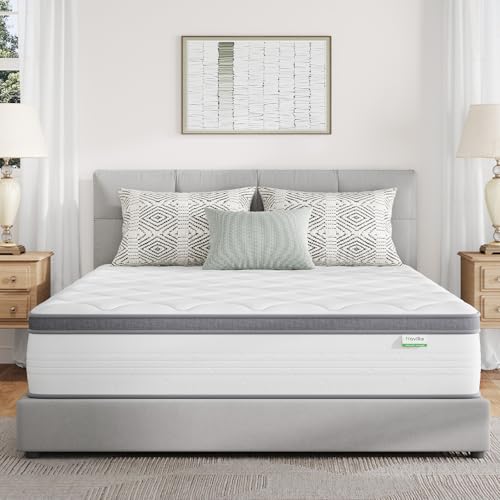
- ✓ Excellent spinal support
- ✓ Motion-isolating design
- ✓ Breathable, stays cool
- ✕ Takes 48-72 hours to fully expand
- ✕ Slightly softer than expected
| Support System | Hybrid support with foam and pocket coils |
| Coil Type | Pocket coils with steel coil grid |
| Mattress Thickness | 12 inches |
| Material Certifications | CertiPUR-US certified foam, OEKO-TEX approved fabrics |
| Sleep Position Compatibility | Suitable for back, side, and stomach sleepers |
| Cooling Features | Ventilated foam layer and air-flow coil design |
Honestly, I was surprised to find that this Novilla Queen Hybrid Mattress felt lighter than expected when I unboxed it. I had assumed a 12-inch hybrid with steel coils would be bulky and firm, but it’s surprisingly manageable to unroll and set up.
The moment I laid down, I noticed how quickly the mattress contours to your body. The foam’s softness combined with the responsive pocket coils creates a perfect balance.
It’s like sinking into a cloud that still offers sturdy support.
What really caught me off guard was how well it maintained spinal alignment. If you’ve ever woken up with a tension headache, you’ll appreciate how this mattress seems to keep your neck and back in a natural position all night.
The individual pocket coils move independently, so you won’t feel your partner tossing and turning. It’s a huge plus if you’re sensitive to motion or share your bed with someone who moves a lot.
Plus, the breathable design genuinely works. I stayed cool through the night, even on warmer evenings.
The ventilated foam and air-flow coils make a big difference for anyone prone to overheating.
Setting it up was a breeze—just unroll and wait a couple of days for full expansion. It’s perfect for anyone who wants a hassle-free upgrade to their sleep setup, especially if tension headaches are part of your mornings.
What Are the Common Causes of Tension Headaches?
The common causes of tension headaches include:
- Muscle Tension: Tension headaches are often triggered by muscle tightness in the neck, shoulders, and scalp, which can result from poor posture, stress, or prolonged periods of sitting.
- Stress and Anxiety: Emotional stress and anxiety can lead to increased muscle tension and contribute to the development of tension headaches, as the body’s response to stress often involves tightening muscles.
- Lack of Sleep: Insufficient or poor-quality sleep can exacerbate tension headaches, as fatigue can increase sensitivity to pain and lead to muscle strain.
- Dehydration: Not drinking enough water can lead to dehydration, which is a known trigger for headaches, including tension headaches, as it can cause the brain to temporarily shrink and pull away from the skull.
- Eye Strain: Extended screen time or reading without breaks can cause eye strain, leading to tension in the forehead and scalp muscles, which may trigger headaches.
- Physical Inactivity: A sedentary lifestyle can contribute to muscle weakness and tension, making individuals more susceptible to tension headaches, as regular physical activity helps maintain muscle flexibility and strength.
How Can Poor Sleep Quality Contribute to Tension Headaches?
Poor sleep quality can significantly contribute to tension headaches due to several interrelated factors.
- Muscle Tension: Lack of restorative sleep can lead to increased muscle tension, particularly in the neck and shoulders. This tension can create a cycle where the discomfort contributes to headache onset.
- Stress Levels: Inadequate sleep often elevates stress hormones in the body, which can exacerbate headache frequency and severity. High stress levels can lead to increased muscle tightness and pain sensitivity.
- Sleep Position: An unsupportive mattress can affect sleep posture, leading to misalignment of the spine and neck. This misalignment can strain muscles and trigger tension headaches upon waking.
- Restoration and Recovery: Quality sleep is essential for the body’s recovery processes, including muscle repair and stress reduction. Poor sleep can hinder these processes, leaving individuals more susceptible to headaches.
- Sleep Disorders: Conditions like insomnia or sleep apnea can disrupt sleep cycles, resulting in insufficient deep sleep. This lack of restorative sleep can increase the likelihood of developing tension headaches.
How Important is Mattress Comfort in Relieving Tension Headaches?
Mattress comfort plays a crucial role in relieving tension headaches by promoting proper spinal alignment and reducing muscle tension.
- Supportive Materials: The best mattresses for tension headaches often incorporate supportive materials like memory foam or latex, which conform to the body’s contours.
- Firmness Level: Choosing the right firmness level is essential; too soft may lead to poor alignment, while too firm can create pressure points.
- Temperature Regulation: A mattress that offers good temperature regulation can enhance sleep quality, as overheating during the night can contribute to muscle tension and headaches.
- Motion Isolation: Mattresses with excellent motion isolation can prevent disturbances from a partner’s movements, allowing for uninterrupted sleep, which is vital for headache relief.
- Durability: Investing in a durable mattress ensures long-term comfort and support, which is necessary to maintain proper posture and reduce the risk of developing tension headaches over time.
Supportive Materials: The best mattresses for tension headaches often incorporate supportive materials like memory foam or latex, which conform to the body’s contours. These materials can help distribute weight evenly and alleviate pressure points that may lead to muscle tightness and headaches.
Firmness Level: Choosing the right firmness level is essential; too soft may lead to poor alignment, while too firm can create pressure points. A medium-firm mattress is often recommended for individuals who experience tension headaches, as it provides a balance of support and comfort.
Temperature Regulation: A mattress that offers good temperature regulation can enhance sleep quality, as overheating during the night can contribute to muscle tension and headaches. Features like gel-infused foam or breathable covers can help maintain a comfortable sleeping temperature.
Motion Isolation: Mattresses with excellent motion isolation can prevent disturbances from a partner’s movements, allowing for uninterrupted sleep, which is vital for headache relief. This feature ensures that even if one person moves, the other remains undisturbed, promoting deeper and more restorative sleep.
Durability: Investing in a durable mattress ensures long-term comfort and support, which is necessary to maintain proper posture and reduce the risk of developing tension headaches over time. A well-constructed mattress can withstand years of use while continuing to provide the necessary support for a headache-free night.
What Key Features Should a Mattress Have for Tension Headaches?
When looking for the best mattress for tension headaches, certain key features can significantly improve sleep quality and alleviate headache symptoms.
- Pressure Relief: A mattress with good pressure relief helps to distribute body weight evenly, preventing the formation of pressure points that can lead to discomfort and tension in the neck and shoulders. This can be particularly beneficial for individuals who tend to sleep on their sides, as it reduces the strain on these areas.
- Support: Proper support is crucial for maintaining spinal alignment during sleep. A mattress that offers adequate support can help keep the spine in a neutral position, which is essential in preventing muscle tension that may contribute to headaches.
- Material Quality: The materials used in a mattress can significantly affect comfort levels. High-quality memory foam or latex can provide a balance of softness and support, allowing the body to sink in slightly while still being adequately supported, which can help reduce tension headaches.
- Temperature Regulation: A mattress that regulates temperature can enhance sleep quality. If a mattress retains too much heat, it can lead to discomfort and restlessness during the night, which may exacerbate tension headaches. Look for materials that promote airflow or have cooling properties.
- Motion Isolation: For those who share a bed, motion isolation is important. A mattress that minimizes motion transfer can prevent disturbances from a partner’s movements, allowing for uninterrupted sleep, which is essential for headache prevention and relief.
- Adjustability: An adjustable mattress can cater to different sleep positions and personal preferences, providing tailored support for various body types. This customization can help alleviate tension and promote a more restful sleep environment.
Why is Proper Support Crucial for Preventing Tension Headaches?
This happens because proper support from a mattress helps maintain spinal alignment and reduces muscle tension, both of which are critical for preventing tension headaches.
According to the National Institutes of Health (NIH), inadequate sleep surfaces can lead to poor posture during sleep, which contributes to muscle strain and tension that often results in headaches. A well-supported mattress can distribute body weight evenly, reducing pressure points and allowing the spine to remain in a neutral position throughout the night (NIH, 2020).
The underlying mechanism involves the relationship between sleep quality, muscle relaxation, and headache occurrence. When the body is supported properly, the muscles surrounding the neck and shoulders do not have to work as hard to maintain alignment, thereby reducing fatigue and tension. This is particularly important since muscle tension in these areas can lead to referred pain, which is a common trigger for tension headaches. Furthermore, an optimal mattress can enhance sleep quality, which is critical because poor sleep is another known contributor to increased headache frequency and intensity (American Academy of Sleep Medicine, 2021).
How Do Material Types and Pressure Relief Affect Tension Headaches?
The type of mattress and the pressure relief it offers can significantly affect the occurrence and severity of tension headaches.
- Memory Foam: Memory foam mattresses are designed to contour to the body’s shape, providing pressure relief by distributing weight evenly. This can help alleviate stress on the neck and shoulders, which are common tension headache triggers.
- Latex: Latex mattresses offer a bouncy feel while maintaining firm support, which can help keep the spine aligned. Their natural elasticity allows for better airflow and temperature regulation, contributing to a more restful sleep that may reduce headache occurrences.
- Hybrid Mattresses: Combining innerspring coils with foam or latex layers, hybrid mattresses provide both support and cushioning. This dual approach can help relieve pressure points while providing the necessary support to promote proper spinal alignment, potentially minimizing tension headaches.
- Adjustable Mattresses: Adjustable mattresses allow users to change the firmness and incline, which can be beneficial for those with tension headaches. By customizing the sleeping position, individuals can find the optimal alignment for their neck and head, reducing strain and discomfort.
- Innerspring Mattresses: Traditional innerspring mattresses provide firm support but may lack adequate pressure relief. While they can be beneficial for some sleepers, those prone to tension headaches may find them less comfortable, leading to increased muscle tension in the neck and shoulders.
Which Mattress Types Are Recommended for Tension Headache Relief?
The best mattress types for tension headache relief typically focus on support, pressure relief, and alignment.
- Memory Foam: Memory foam mattresses are known for their ability to contour to the body’s shape, providing personalized support to the head, neck, and shoulders. This can help alleviate pressure points that may contribute to tension headaches, promoting proper spinal alignment during sleep.
- Latex: Latex mattresses offer a responsive feel that combines support and comfort, making them excellent for maintaining spinal alignment. They are also breathable, which can help regulate temperature and reduce nighttime discomfort that might lead to tension headaches.
- Hybrid: Hybrid mattresses combine the benefits of innerspring and foam or latex materials, offering both support and pressure relief. The coil support system helps maintain alignment, while the top layers provide cushioning to alleviate tension in the upper body, reducing headache triggers.
- Adjustable Air Beds: Adjustable air beds allow users to customize the firmness level to their preference, which can be particularly beneficial for those with tension headaches. The ability to modify support can help ensure proper spinal alignment and reduce shoulder and neck strain.
- Innerspring: While traditional innerspring mattresses may not provide as much pressure relief as foam or latex, a well-designed innerspring mattress with a plush comfort layer can still help support spinal alignment. It is important to choose a model that offers adequate cushioning for the head and neck to minimize tension headaches.
Are Memory Foam Mattresses Effective for Suffering from Tension Headaches?
Memory foam mattresses can be effective for alleviating tension headaches by providing support and comfort to the sleeper.
- Pressure Relief: Memory foam is designed to contour to the body’s shape, distributing weight evenly and reducing pressure points that may lead to tension headaches.
- Spinal Alignment: A good memory foam mattress promotes proper spinal alignment, which can prevent muscle strain and tension in the neck and shoulders, common culprits of headaches.
- Motion Isolation: Memory foam absorbs movement, minimizing disturbances from a partner’s movements, which can lead to better sleep quality and less likelihood of headaches caused by disrupted sleep.
- Temperature Regulation: Many memory foam mattresses now incorporate cooling technologies that help regulate temperature, preventing overheating that can contribute to discomfort and headaches.
Pressure Relief: The unique composition of memory foam allows it to mold to the sleeper’s body, which helps alleviate pressure build-up in areas such as the shoulders and hips. This can be particularly beneficial for those who experience tension headaches, as excessive pressure can lead to discomfort and pain.
Spinal Alignment: Maintaining proper spinal alignment is crucial for reducing muscle tension. Memory foam mattresses provide adequate support to the natural curvature of the spine, helping to alleviate tightness in the neck and shoulders that can trigger headaches.
Motion Isolation: If you share your bed with a partner, their movements can disrupt your sleep. Memory foam’s ability to isolate motion means that you’re less likely to wake up during the night, allowing for deeper, uninterrupted sleep that can help reduce the frequency of tension headaches.
Temperature Regulation: Overheating during sleep can lead to discomfort and increased stress, potentially causing headaches. Modern memory foam mattresses often feature cooling gel or breathable materials that help regulate temperature, ensuring a more comfortable sleep environment.
Can Latex Mattresses Provide Effective Relief for Tension Headaches?
Latex mattresses can offer effective relief for tension headaches due to their unique properties. Made from natural latex, these mattresses provide both support and comfort, which are critical for reducing headache triggers. Here’s how they help alleviate tension headaches:
-
Pressure Relief: Latex contours to the shape of the body, reducing pressure points. Proper alignment of the spine helps minimize muscle tension, which is often a precursor to tension headaches.
-
Breathability: Natural latex is breathable and helps regulate temperature. A comfortable sleep environment can lead to deeper, more restorative sleep, which is crucial in preventing headaches.
-
Durability and Support: Latex mattresses maintain their shape over time, providing consistent support. A supportive mattress reduces the likelihood of developing pain in the neck and shoulders, areas commonly associated with tension headaches.
-
Hypoallergenic Properties: Latex is naturally resistant to dust mites and mold, promoting a healthier sleep environment. Allergies and irritants can contribute to headaches, making hypoallergenic options beneficial.
Overall, for those suffering from tension headaches, investing in a latex mattress may provide the comfort and support necessary for better sleep quality and fewer headache incidences.
How Can You Tell if Your Mattress Is Contributing to Tension Headaches?
Lastly, if you experience noticeable relief from tension headaches after switching to a new mattress, it underscores the importance of selecting a mattress that aligns with your body’s needs. This change can significantly enhance your sleep quality and reduce headache occurrences.
What Signs Indicate That It May Be Time to Replace Your Mattress for Better Headache Relief?
Age of the Mattress: Mattresses generally have a limited lifespan, and after about 7 to 10 years, they may start to lose their structural integrity. If your mattress is older than this timeframe, it’s likely not providing the optimal support needed to alleviate tension headaches.
Increased Sleep Disturbances: If you find yourself waking up frequently or struggling to fall asleep, it may be a sign that your mattress is not conducive to restful sleep. An uncomfortable mattress can lead to restless nights and insufficient sleep, both of which can trigger or worsen tension headaches.
What Other Sleep Factors Can Influence Tension Headaches?
Several sleep factors can significantly influence tension headaches:
- Mattress Quality: The quality of your mattress plays a crucial role in providing adequate support and comfort during sleep. A mattress that is too firm or too soft can lead to misalignment of the spine, increasing muscle tension and resulting in headaches.
- Pillow Type and Height: The type and height of your pillow can affect neck alignment and posture while sleeping. Using a pillow that is too high or too low can put strain on the neck, leading to tension headaches upon waking.
- Sleep Position: Your sleep position can dictate the level of strain placed on your neck and back muscles. Sleeping on your stomach can exacerbate tension in the neck, while sleeping on your back or side with proper support can help alleviate this issue.
- Sleep Duration: Inadequate or excessive sleep can both contribute to tension headaches. Consistently getting insufficient sleep can lead to increased stress and muscle tension, while oversleeping can disrupt normal sleep cycles, resulting in fatigue and headaches.
- Sleep Environment: The overall environment in which you sleep, including temperature, light, and noise levels, can impact sleep quality. A disruptive environment may lead to fragmented sleep, causing increased muscle tension and headaches.
How Does Your Sleep Position Impact Tension Headache Severity?
Your sleep position can significantly influence the severity of tension headaches, as it affects spinal alignment and muscle tension.
- Back Sleeping: This position often promotes better spinal alignment, which can reduce neck and shoulder tension, potentially decreasing headache severity. However, if the pillow is too high or too low, it can lead to additional strain, which might exacerbate headaches.
- Side Sleeping: Sleeping on your side can be beneficial for reducing tension in the neck, but it may cause shoulder strain if the mattress is too firm. A suitable pillow that supports the head and neck can help maintain alignment and reduce the risk of tension headaches.
- Stomach Sleeping: This position is generally not recommended as it can put significant strain on the neck and back, leading to increased tension headaches. The head is often turned to one side, which can result in muscle tightness and misalignment during sleep.
- Pillow Choice: The type and height of the pillow can greatly impact head and neck alignment, influencing headache severity. A pillow that properly supports the natural curve of the neck while sleeping can help alleviate pressure points and reduce the likelihood of waking up with a headache.
- Mattress Firmness: A mattress that is too firm or too soft can affect spinal alignment and lead to muscle strain. Finding the best mattress for tension headaches involves choosing one that provides adequate support while allowing for comfortable pressure relief to avoid tension buildup.
Why Are Pillows Important in Managing Tension Headaches?
Pillows play a critical role in managing tension headaches, as they directly influence neck and spine alignment during sleep. An unsuitable pillow can lead to muscle strain and discomfort, exacerbating headaches. Here’s why selecting the right pillow matters:
-
Support: A suitable pillow supports the natural curve of the neck. It helps to keep the head aligned with the spine, which reduces tension in the neck muscles.
-
Material: Memory foam and latex are often recommended because they adapt to the shape of the head and neck, providing personalized support. These materials help maintain an optimal position throughout the night.
-
Height and Firmness: The ideal pillow should neither be too high nor too low. A medium firmness option typically accommodates various sleep positions, helping to maintain proper alignment and prevent muscle tension.
-
Allergies: Choosing hypoallergenic pillows can reduce sleep disturbances caused by allergens, further minimizing the risk of headaches.
In essence, the right pillow is an essential component in a comprehensive approach to reducing the frequency and intensity of tension headaches.
Related Post: