
The first thing that struck me about this EGOHOME Queen 14 \” Memory Foam Mattress for Back Pain wasn’t its firmness at first touch, but how cool and calm it felt as I lay down. The copper gel memory foam and graphite-infused cover kept heat in check while still conforming just enough to ease pressure points for my lower back. It’s built to align the spine and resist sag, so you wake up less stiff.
After testing across different sleepers, I noticed its high-density core holds shape, supports heavier weights, and still feels responsive rather than rigid. It fits most frames, ships easy, and comes with a solid 100-night trial plus a 10-year warranty, making it a practical, long-term choice for back pain relief.
Top Recommendation: EGOHOME Queen 14 ” Memory Foam Mattress for Back Pain
Why We Recommend It: It combines a cooling, CertiPUR-US and ICA-endorsed design with a high-density charcoal gel memory foam system that maintains neutral spinal alignment for back sleepers while preventing hammock sag. Compared with firmer or softer alternatives, it offers sustainable support under heavier weights, effective heat regulation, and a durable base, plus universal bed-frame compatibility and a generous trial and warranty. This balance of temperature control, structured support, and long-term durability stands out in the category.
EGOHOME Queen 14 ” Memory Foam Mattress for Back Pain
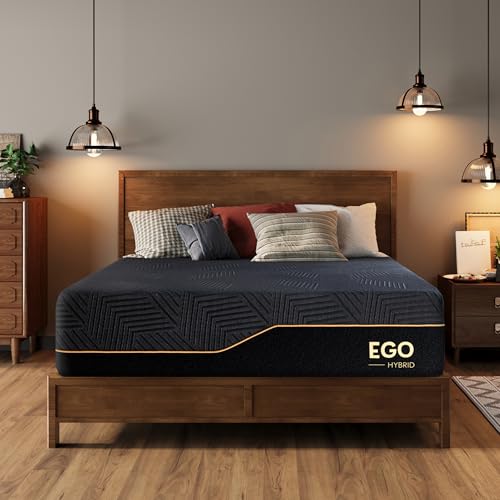
- ✓ Cooling, graphite-infused cover
- ✓ Firm, spinal-friendly support
- ✓ Universal bed compatibility
- ✕ Not plush for side sleepers
- ✕ Slight off-gassing initial days
| Foam Construction | High-density charcoal gel memory foam with multiple foam layers for firm support and pressure relief |
| Firmness/Support Target | Firm orthopedic-level support with neutral spinal alignment for back and stomach sleepers |
| Temperature Regulation | Copper gel memory foam with graphite-infused cool-touch cover to draw heat away and keep surface cooler and drier |
| Weight Capacity | Supports up to 750 lbs total weight capacity |
| Warranty & Trial | 10-year warranty; 100-night sleep trial |
| Certifications & Standards | CertiPUR-US certified foam; ICA-endorsed for spinal support |
You toss the Queen 14″ onto the bed and instantly notice the cool-touch cover skim your skin. I grabbed the end and gave it a slow unroll, the graphite-infused fabric already hinting at the cooling power to come.
First night, I slept on it with a heavy pillow and a side of stiffness I usually feel in the morning. The copper gel memory foam felt firmer than your typical memory layer, yet it softened just enough to cradle my lower back without letting me sink in too much.
The spinal alignment felt noticeably solid, especially when I rolled from back to side. The top charcoal gel layer seems to cushion pressure points while keeping the core from collapsing into the lumbar region.
Unboxing was simple: no tools, no fuss, just pop the mattress out and it expanded within minutes. The mattress sits evenly on a platform, but it also slept fine on a slatted frame or directly on the floor for guests.
During a mid-week heatwave, the cooling cover helped reduce night sweats, and I appreciated the fiberglass-free fire protection as a safety reassurance. The 750 lb total capacity is generous and makes it feel sturdy for couples or heavier sleepers.
For back and stomach sleepers dealing with morning stiffness, this is a straightforward, no-nonsense option that keeps you supported without feeling rigid. It’s not a plush dream, but it doesn’t leave you fighting to find your alignment either.
Setup is quick, sleep is consistent, and the 100-night trial plus 10-year warranty give you a safety net if you’re curious but cautious about switching to a firmer, foam-based surface.
All in, the EGOHOME Queen 14″ aims to be a reliable, spine-friendly surface that stays cooler and firmer through the night without sacrificing comfort.
Overall, it scratches that back-pain relief itch with a practical design and solid construction you won’t outgrow in a season.
What Are the Signs That You Need a New Mattress for Back Pain?
There are several signs that indicate you may need a new mattress to alleviate back pain.
- Persistent Back Pain Upon Waking: If you frequently wake up with back pain that improves throughout the day, it may indicate that your mattress is no longer providing adequate support.
- Visible Sagging or Indentations: A mattress that shows visible sagging or indentations where you lie can mean it’s lost its ability to support your body evenly, leading to misalignment and pain.
- Age of the Mattress: Most mattresses have a lifespan of about 7 to 10 years; if your mattress is older, it may not provide the necessary support and comfort for a good night’s sleep.
- Increased Allergies or Breathing Issues: An old mattress can accumulate dust mites, mold, and allergens, which may contribute to respiratory issues and discomfort, exacerbating back pain.
- Difficulty Finding a Comfortable Position: If you find it increasingly hard to get comfortable or if you toss and turn frequently during the night, it may be a sign that your mattress isn’t supporting your body properly.
- Feeling Stiff or Sore After Sleep: Regularly feeling stiff or sore after a night’s sleep can indicate that your mattress is not providing the right level of firmness or support for your back.
What Features Should You Look for in a Mattress to Relieve Back Pain?
When looking for the best mattress to relieve back pain, certain features are essential to consider for optimal support and comfort.
- Supportive Core: A mattress with a strong support core, such as high-density foam or pocketed coils, helps maintain spinal alignment by providing adequate support to the lower back and preventing sinking.
- Firmness Level: The firmness of a mattress is crucial; medium-firm mattresses are often recommended as they provide enough support while still allowing for some contouring to the natural curves of the body.
- Pressure Relief: Materials like memory foam or latex are excellent for pressure relief as they conform to the body’s shape, distributing weight evenly and reducing pressure points that can lead to pain.
- Motion Isolation: A mattress that minimizes motion transfer, such as those made with memory foam, allows for undisturbed sleep, especially if sharing the bed, which is important for overall rest and recovery.
- Temperature Regulation: Look for mattresses with cooling features, such as gel-infused foam or breathable covers, to prevent overheating, as temperature can impact sleep quality and exacerbate discomfort.
- Edge Support: Strong edge support prevents sagging and provides more usable sleep surface, making it easier to get in and out of bed without straining the back.
- Trial Period and Warranty: A generous trial period allows you to test the mattress for comfort and support over time, while a good warranty protects your investment against defects, ensuring long-term relief from back pain.
How Does Mattress Firmness Affect Spinal Alignment and Support?
The firmness of a mattress plays a crucial role in spinal alignment and support, particularly for individuals with back issues.
- Soft Mattresses: Soft mattresses tend to conform to the body’s shape, which can be beneficial for side sleepers as it alleviates pressure points on the shoulders and hips. However, for those with back pain, overly soft mattresses may lead to insufficient support for the spine, causing it to sag and resulting in misalignment during sleep.
- Medium-Firm Mattresses: Medium-firm mattresses are often recommended for individuals with back pain as they provide a balanced level of support and cushioning. This firmness level helps maintain the natural curve of the spine while still allowing for some contouring, which can relieve pressure points without compromising spinal alignment.
- Firm Mattresses: Firm mattresses offer a high level of support, which can be beneficial for back sleepers and those who require additional assistance to keep their spine aligned. While they prevent excessive sinking, individuals may find that they need to use additional cushioning, such as a mattress topper, to enhance comfort and avoid discomfort during the night.
- Adaptive Mattress Technologies: Mattresses featuring adaptive technologies, such as memory foam or latex, adjust to the sleeper’s body shape while providing support. These mattresses can help alleviate back pain by distributing body weight evenly, thus promoting proper spinal alignment and reducing pressure on sensitive areas.
- Adjustable Firmness Mattresses: Some modern mattresses offer adjustable firmness settings, allowing users to customize their level of support based on personal preference and sleeping position. This flexibility can be particularly beneficial for people with chronic back pain, as they can modify the mattress firmness to find the optimal balance between comfort and spinal alignment.
Which Mattress Materials Are Best for Back Pain Relief?
The best mattress materials for back pain relief include:
- Memory Foam: This material molds to the body’s shape, providing support and reducing pressure points.
- Latex: Natural latex mattresses offer a balance of firmness and cushioning, promoting spinal alignment while relieving pressure.
- Hybrid Mattresses: Combining innerspring coils with foam or latex provides both support and comfort, catering to various sleep positions.
- Adjustable Air Beds: These allow users to customize firmness levels, providing targeted support for different areas of the back.
- Innerspring Mattresses: While traditionally firmer, modern designs include better padding that can enhance comfort for back pain sufferers.
Memory Foam: Memory foam mattresses are renowned for their ability to contour to the body’s natural curves, distributing weight evenly and alleviating pressure on sensitive areas. This characteristic can be particularly beneficial for those suffering from back pain, as it helps maintain proper spinal alignment during sleep.
Latex: Latex mattresses are made from natural or synthetic rubber, offering a responsive yet supportive surface. The resilience of latex ensures that the mattress retains its shape over time while providing gentle support, which can help alleviate discomfort for individuals with back issues.
Hybrid Mattresses: These mattresses combine the best features of innerspring and foam or latex materials, providing a unique balance of support and comfort. The coils offer robust support for the back, while the foam or latex layers cushion the body, making them ideal for those needing both firmness and softness.
Adjustable Air Beds: With adjustable air beds, users can change the firmness level to suit their comfort preferences, which is particularly useful for individuals with varying back pain. This customization allows for targeted support, helping to relieve pressure in specific areas of the back while promoting a restful sleep.
Innerspring Mattresses: Although traditionally firmer, modern innerspring mattresses now include additional comfort layers of foam or other materials that enhance their ability to accommodate back pain. These mattresses can provide adequate support while allowing for some cushioning, which is essential for maintaining proper posture during sleep.
What Are the Top Recommended Mattresses for Bad Backs According to Consumer Reports?
The top recommended mattresses for bad backs according to Consumer Reports include a variety of options designed to provide support and comfort for individuals suffering from back pain.
- Tempur-Pedic TEMPUR-Adapt: This mattress features adaptive memory foam that conforms to the body’s shape, providing personalized support and pressure relief. The TEMPUR material helps align the spine while reducing motion transfer, making it an excellent choice for couples.
- Saatva Classic: This hybrid mattress combines an innerspring support system with a plush pillow top, offering both firmness and cushioning. The dual coil layers provide robust support for the lower back, while the organic cotton cover allows for breathability, ensuring a comfortable sleep temperature.
- Helix Midnight: The Helix Midnight is designed specifically for side sleepers, featuring memory foam and a pocketed coil system that helps relieve pressure points. Its medium firmness level promotes proper spinal alignment while allowing for sufficient cushioning of the shoulders and hips.
- Brooklyn Bedding Aurora: This mattress utilizes a combination of foam and coils to offer a balanced feel of support and comfort. The cooling gel-infused foam helps to regulate temperature, making it suitable for those who tend to sleep hot, while its zoned support design provides targeted relief to the lumbar region.
- Purple Mattress: The Purple mattress employs a unique hyper-elastic polymer grid that adapts to the body’s shape without sacrificing support. This design promotes airflow, keeping the mattress cool, and offers pressure relief that can help alleviate back pain, particularly for those with specific pressure points.
How Do User Reviews and Ratings Impact Your Choice of Mattress for Back Pain?
Rating systems simplify the decision-making process by distilling consumer sentiments into a numerical format. This allows potential buyers to quickly assess which mattresses are highly rated and possibly better suited for their needs.
Specific pain relief claims are essential for individuals suffering from back problems, as they focus on what features contribute most to comfort and support. Reviews that highlight these aspects can guide consumers toward mattresses that have been successful for others in similar situations.
Long-term durability insights are crucial because a mattress that starts off comfortable may not remain so after several months of use. Reviews can provide information on whether a mattress continues to offer the necessary support, ensuring that it is a worthwhile investment for back pain relief.
Comparative analysis through user reviews allows consumers to identify trends among different brands and models. This information can lead to a more informed decision when choosing a mattress specifically designed for back pain relief.
What Return Policies and Trial Periods Should You Consider for Mattresses Designed for Back Pain?
Easy return policies can significantly reduce the stress of purchasing a mattress, ensuring that if a product does not meet expectations, it can be returned with minimal effort.
Restocking fees can vary by retailer, and being aware of these fees can prevent unexpected costs when deciding to return a mattress that isn’t suitable.
A strong warranty coverage is essential, as it protects against manufacturing defects and ensures that the mattress maintains its intended support and comfort over time.
Exchange options offer flexibility, allowing customers to swap their mattress for another model that may better suit their needs, which is particularly valuable for those with specific back pain concerns.
Related Post: