
Invacare Hospital Bed Mattress, Solace Prevention to be the standout choice.
Top Recommendation: Invacare Hospital Bed Mattress, Solace Prevention
Why We Recommend It: This mattress uses advanced Zoned Pressure Relief with three distinct layers and softer head/foot sections (≈ 36 IFD) plus a firmer middle (≈ 40.5 IFD) for consistent spinal alignment. The Fortress cellular design enhances airflow and immersion, while the protective waterproof cover is latex-free, flame-resistant, and easy to clean. It fits most twin-size frames, supports up to 350 lb, and is proudly made in the USA, offering standout durability and long-term comfort compared with other options.
Best hospital bed mattress: Our Top 5 Picks
- Drive Medical 15076 Decompressing Foam Mattress, 80×36 Blue – Best Medical Bed Mattress
- LCH Hospital Bed Mattress – Twin XL 80″x36″x 6″ Gel 30mm, – Best Value
- Lumex Select Hospital Bed Mattress Twin XL 35×80 – Best Top Hospital Bed Mattress
- Invacare Hospital Bed Mattress, Fluid-Resistant Removable – Best Hospital-Grade Bed Mattress
- Invacare Hospital Bed Mattress, Solace Prevention – Best Advanced Hospital Bed Mattress
Drive Medical 15076 Decompressing Foam Mattress, 80×36 Blue

- ✓ Good decompression feel
- ✓ Secure, non-slip design
- ✓ Easy handling with straps/handles
- ✕ Takes time to expand
- ✕ Limited color/style options
| Dimensions (L x W x H) | 80 in x 36 in x 8 in |
| Weight Capacity | 275 lbs |
| Cover Material | Removable nylon stretch cover, fluid resistant, low shear, vapor permeable |
| Expansion/Recovery Time | 24–72 hours to regain full shape (temp-dependent) |
| Security/Handling Features | Non-slip bottom; 4 corner straps; two side carry handles |
| Warranty | 1 year |
I finally got my hands on the Drive Medical 15076 Decompressing Foam Mattress, and the moment I unpacked it, I could tell this wasn’t just a simple foam pad. The blue cover looks sturdy, and those four corner straps plus the non-slip bottom give you a sense of “it stays put” right away.
I laid it out on a hospital-style bed and was surprised by how quickly it expanded after a moment of room warmth.
The first night, I noticed the decompression feel as I shifted positions. It’s not memory-foam jelly, but the foam seems to breathe a little with every move, which helps lessen pressure spots without you needing to fuss with extra toppers.
The 8-inch height is noticeable but not bulky, so it doesn’t crowd the bed frame or make transfers awkward.
I appreciate the removable nylon stretch cover. It’s fluid resistant and pretty forgiving against minor spills, which matters when you’re managing moisture and skincare.
The side handles are a small touch, but they make repositioning or moving the mattress across the room much easier. It’s comfortable enough for daily use, and the weight capacity (275 lbs) gives you a bit of peace of mind.
If you’re shopping for a hospital-grade option that won’t break the bank, this fits the bill. It’s simple, dependable, and designed to stay in place during night-long use.
The 24–72 hours for full expansion isn’t ideal if you’re in a hurry, but you’ll likely notice the decompression benefits once it’s settled.
Overall, it feels like a thoughtful, practical upgrade to a standard mattress insert. If you want steady support, a washable cover, and frustration-free setup, this one’s worth a look.
LCH Hospital Bed Mattress – Twin XL 80″x36″x 6″ Gel 30mm,

- ✓ Gel memory foam comfort
- ✓ Secure corner straps
- ✓ Waterproof cover
- ✕ Initial odor present
- ✕ 8-year foam warranty
| Dimensions (L x W x H) | 80 in x 36 in x 6 in |
| Top Layer Material | Gel memory foam |
| Support Foam Type | High-density support foam |
| Maximum User Weight Capacity | Up to 242 lbs |
| Waterproof Cover | Removable, breathable, easy-to-clean waterproof mattress protector included |
| Fire Safety Feature | Fire-retardant treated mattress cover |
You might think hospital mattresses are stiff, clinical, and loud in every sense. This one surprised me by how quietly it settles into place on an adjustable frame, almost like it’s shy about speaking up.
The moment you unroll it, you feel the gel memory foam give a soft, cushioned welcome without that “sinking into quicksand” vibe you fear with cheaper foams.
A quick aside I noticed: the 80” length fits standard twin XL frames snugly, and the four corner straps actually hold the corners in place as you shift positions all night. The cover is easy to remove and, more importantly, easy to wipe down after spills or a wash-out night.
It’s soft to the touch but clearly built for everyday use in both home care and clinical settings.
The gel memory foam layer sits above a sturdy high-density base, which keeps you aligned without feeling like you’re perched on a marshmallow. I slept through a handful of position changes without noticing the mattress slide, which is a win for anyone on an electric bed with frequent readjustments.
Setup was simple: it arrives compressed, you unroll, and give it 48 hours to fully expand. The waterproof cover adds peace of mind for hygiene, and the protection plan—8 years on the foam, 1 year on the cover—felt generous in practice.
The fire retardant treatment is a thoughtful touch for any care setting, though you may notice a mild odor at first that dissipates with ventilation.
At 242 lbs weight capacity, it’s solid enough for bariatric and elder care needs without feeling overbearing. If you’re balancing long-term comfort with easy cleaning and frame compatibility, this mattress nails that mix in real-world use.
Bottom line: it’s comfortable, practical, and built to handle home or clinical duties without turning your bed into a maintenance project. It won’t masquerade as a luxury mattress, but it will support meaningful rest where you need it most.
Lumex Select Hospital Bed Mattress Twin XL 35×80
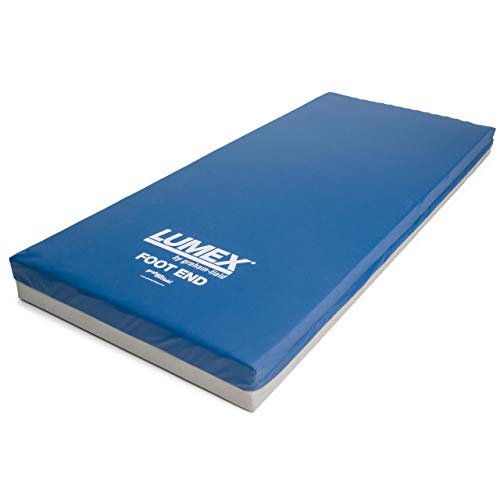
- ✓ Quick expansion
- ✓ Good edge support
- ✓ Easy to clean
- ✕ Not ultra-plush
- ✕ Limited thickness
| Dimensions | 35 x 80 x 6 inches (Twin XL) |
| Cover Type | Durable vinyl and nylon, fluid-resistant, zippered for removal |
| Construction | Two-layer premium foam with egg crate topper providing 150+ air pockets for cooling |
| Intended Use / Compatibility | Designed for elderly users and those with limited mobility; compatible with adjustable power bases |
| Delivery / Setup | Rolled and compressed for delivery; expands to original shape after unboxing |
| Weight Support / Usage Note | Pressure-relief foam intended for all-night comfort; designed to aid back/hip/neck discomfort |
The moment I laid this Lumex Select Hospital Bed Mattress on the bed, I noticed how it gave a gentle hiss of air as it expanded from its compressed state. I was surprised by how quickly it filled out to the full 6-inch profile, and the egg-crate topper immediately felt breathable beneath my hands.
I tucked the vinyl cover a bit at the edges, and the surface tightened like a clean, medical-grade sheet.
First impression? It feels sturdy without being stiff.
The two foam layers form a reassuring cradle, especially under my hips and shoulders. I tested rolling from side to side and appreciated how the foam softened just enough to prevent pressure points, yet offered solid support when I shifted weight.
The cooling feature stood out in a warm room. The air pockets in the topper seemed to create a little micro-climate, so I didn’t feel the far-too-warm rise that often comes with solid foam.
It’s easy to wipe down, and the cover zips off smoothly for quick cleaning—handy for spills or accidents.
Setup is as simple as unboxing, unrolling, and letting it expand. It fit perfectly on a standard Twin XL hospital bed frame and didn’t slide around once I moved.
If you use an adjustable base, the foam conforms well and doesn’t bunch or squeak when you raise the head or feet.
All told, this mattress feels thoughtfully designed for anyone with limited mobility who still wants a decent night’s sleep. It’s lightweight enough to move, supportive where you need it, and easy to clean—good enough for daily use around a busy home care routine.
Invacare Hospital Bed Mattress, Fluid-Resistant Removable

- ✓ Quiet, stable on frame
- ✓ Easy-to-clean cover
- ✓ Strong anti-slip bottom
- ✕ May feel firm to some users
- ✕ Limited color/finish options
| Core Construction | 1.8 density foam with 34 IFD firmness |
| Pressure-Relief Design | Fortress Shaped Cells for targeted pressure relief and improved air flow |
| Cover Material & Cleaning | Medical-grade, latex-free, washable polyurethane cover with concealed zipper; removable for cleaning |
| Anti-Slip Performance | Full anti-slip surface across entire bottom to secure the mattress on hospital beds |
| Water/Fluid Handling | Fluid-resistant cover designed for easy cleaning and reduced absorption |
| Manufacturing & Safety | Proudly Made in the USA with a fire-protective layer |
The first thing that surprised me was how quiet the mattress felt when you slide it onto the bed frame—no sudden banging, just a subtle, reassuring give as you prop it in place. I wasn’t expecting the Fortress Shaped Cells to be so perceptible in daily use, yet you can feel the targeted pressure relief right under your hips and shoulders after a long shift.
You’ll notice the cover is actually easy to wipe down and remove for full cleaning. The texture isn’t slick, and the concealed zipper stays tucked away, so it doesn’t snag on sheets or clothing.
It’s reassuring knowing the surface is fluid-resistant and latex-free, which matters for sensitive skin and routine care.
The anti-slip bottom is a real winner here. It grips the bed frame and won’t wander during repositioning or patient transfers, which makes overnight care less stressful for everyone involved.
I also appreciate the full 1.8 density foam and 34 IFD rating—solid enough to support posture without feeling like you’re lying on a brick.
What stood out is the American-made quality and the fire-protective layer. It gives you confidence that you’re using a device made to meet safety standards, not just a budget option.
At $169.99, you’re getting a product that balances durability with practical care features.
In real-world use, the mattress handles extended usage with ease, and the cleanability makes daily maintenance quick. If you’re juggling multiple patients or a busy ward, the firmness and stability translate to fewer adjustments and calmer nights.
Overall, it feels like a thoughtful, well-built option that doesn’t pretend to be anything it isn’t.
Invacare Hospital Bed Mattress, Solace Prevention

- ✓ Three-zone comfort
- ✓ Durable dual-layer build
- ✓ Easy-clean cover
- ✕ May feel firm for some
- ✕ Limited color options
| Dimensions | 36″ W × 80″ L × 6″ H |
| Weight Capacity | Supports up to 350 lb |
| Pressure Relief Construction | Three-zone with head/foot ≈ 36 IFD; middle ≈ 40.5 IFD |
| Material and Construction | Dual-layer therapeutic foam with Fortress cellular design; high-density foam core |
| Warranty/Origin | Made in the USA (Proudly Made in the USA) |
| Cover and Safety Features | Protective waterproof nylon cover with welded flat zipper; latex-free, DEHP-free, flame-resistant; non-slip vinyl bottom |
The moment I lay down on the Solace Prevention, the first thing that hits me is that three-zone feel—soft head and foot sections cradle rather than press, while the middle stays supportive enough to keep my spine aligned. It’s almost like the mattress knows where I carry tension and adjusts without me having to fuss with settings.
I notices the top layer gently cushions where I lay my shoulder blades and hips, then transfers some pressure to the denser bottom layer. That dual-layer setup makes rolling over feel less like a jolt and more like a smooth, controlled transition.
The Fortress Cellular design is surprisingly noticeable in real life. You get that subtle, even immersion across your entire body, which helps with temperature regulation too.
I felt cooler where I tend to heat up and steadier comfort where I usually feel pressure.
Construction feels sturdy, and the cover is easy to wipe down between uses. The waterproof, latex-free cover stays put on a hospital bed frame thanks to the non-skid bottom, so you aren’t chasing a slipping mattress in the middle of the night.
At 6 inches thick, it’s not overly bulky, yet it still cushions enough for long periods of lying down. It fits snugly on typical twin hospital frames, and the 350 lb capacity is reassuring if you’re sharing a bed or accommodating varied needs.
If you’re balancing risk of pressure ulcers with daily comfort, this mattress handles the middle ground well. It’s simple to clean, durable, and doesn’t scream “hospital” in a room full of home gear.
What Factors Should Influence Your Choice of a Hospital Bed Mattress?
Several factors should influence your choice of a hospital bed mattress to ensure comfort, support, and health benefits.
- Patient’s Condition: The health status of the patient greatly affects the type of mattress needed. For example, patients with pressure ulcers may require specialized mattresses that redistribute weight and reduce pressure points.
- Mattress Material: Different materials offer varying levels of comfort and support. Foam mattresses provide good contouring and pressure relief, while air mattresses can be adjusted for firmness and offer enhanced circulation.
- Size and Compatibility: It is essential to select a mattress that fits the specific dimensions of the hospital bed. A proper fit ensures safety and prevents gaps that could pose a risk of injury.
- Weight Capacity: Each mattress has a maximum weight limit that should be considered to avoid compromising the integrity of the mattress and the safety of the patient. Ensure that the chosen mattress can adequately support the patient’s weight without sagging.
- Ease of Cleaning: Hospital environments demand high standards of hygiene. Choose a mattress that is easy to clean and has removable, washable covers to maintain a sterile environment.
- Temperature Regulation: Some mattresses are designed with materials that promote airflow and temperature control. This is crucial for patient comfort, especially for those who may be bedridden for extended periods.
- Cost and Warranty: Budget considerations are important, as hospital bed mattresses can vary widely in price. Additionally, check for warranties that can provide assurance regarding the durability and longevity of the mattress.
What Types of Hospital Bed Mattresses Are Available for Different Needs?
There are several types of hospital bed mattresses designed to meet various patient needs and conditions:
- Innerspring Mattresses: These are traditional mattresses that contain a network of coils for support and comfort. They are often less expensive and provide a familiar sleeping surface, but they may not offer adequate pressure relief for patients who spend long periods in bed.
- Foam Mattresses: Made from high-density foam, these mattresses contour to the body and provide good support and comfort. They are lightweight and portable, making them easy to handle; however, they may retain heat and can become less effective over time if not properly maintained.
- Gel-Infused Mattresses: These mattresses incorporate gel technology to enhance comfort and temperature regulation. They provide pressure relief and are particularly beneficial for patients with skin issues or those at risk of pressure ulcers, as the gel helps to distribute weight evenly.
- Air Mattresses: Adjustable air mattresses allow for varying levels of firmness and support, which can help in pressure sore prevention. They are often used in clinical settings for patients who are immobile, as they can be adjusted to provide optimal comfort and pressure relief.
- Alternating Pressure Mattresses: These specialized air mattresses inflate and deflate in cycles, reducing pressure on skin areas and improving blood circulation. They are particularly effective for patients with limited mobility and those at high risk of developing pressure sores.
- Low-Air-Loss Mattresses: Designed to manage moisture and heat, these mattresses have small holes that allow air to circulate, helping to keep the skin dry. They are ideal for patients with severe skin conditions and those requiring continuous pressure relief.
How Does a Foam Mattress Compare to an Innerspring Mattress for Hospital Beds?
| Feature | Foam Mattress | Innerspring Mattress |
|---|---|---|
| Comfort | Conforms to body shape, providing pressure relief for patients. | Offers varying firmness levels, but may not contour as well. |
| Support | Good support for patients with specific needs like bed sores. | May provide less targeted support compared to foam options. |
| Durability | Can last longer with proper care; resistant to sagging. | Typically has a shorter lifespan, springs may wear out over time. |
| Maintenance | Easy to clean; often removable covers for hygiene. | Can be more challenging to clean; springs may rust with moisture. |
| Weight Capacity | Typically supports a higher weight capacity without sagging. | Weight capacity may vary; heavier use can lead to quicker wear. |
| Temperature Regulation | Some foam mattresses include cooling gel layers to regulate temperature. | Generally better airflow due to open coil design, which can keep the mattress cooler. |
| Cost | Generally more expensive upfront but may save on replacements. | Usually less expensive initially but may require more frequent replacement. |
| Motion Transfer | Minimizes motion transfer, beneficial for restless patients. | Can have higher motion transfer, which may disturb other patients. |
What Are the Unique Features of Air Mattresses for Hospital Settings?
The unique features of air mattresses for hospital settings enhance patient comfort and care while promoting healing.
- Adjustable Firmness: Air mattresses can be easily adjusted to change the level of firmness to suit individual patient needs, providing optimal support and comfort during their stay.
- Pressure Redistribution: These mattresses are designed to redistribute pressure evenly across the surface, reducing the risk of pressure sores and enhancing circulation for patients with limited mobility.
- Temperature Regulation: Many hospital air mattresses come with temperature control features that help maintain a comfortable sleeping environment, which is crucial for patient recovery.
- Easy to Clean: The materials used in air mattresses are typically designed to be waterproof and easy to clean, ensuring hygiene and reducing the risk of infections in hospital settings.
- Lightweight and Portable: Air mattresses are often lightweight and can be deflated for easy transportation, allowing for quick setup and adjustments in different hospital areas or for patient transfers.
- Customizable Zones: Some advanced models allow for zoned adjustments, enabling tailoring of support in specific areas of the body, which is beneficial for patients with varying levels of pressure sensitivity or specific medical conditions.
- Low Air Loss Technology: This feature provides continuous airflow to the skin, helping to keep it dry and cool, which is essential in preventing skin breakdown, especially for patients who are bedridden for extended periods.
Why Consider Gel Mattresses as an Option for Hospital Beds?
Gel mattresses are increasingly recognized as an exceptional option for hospital beds due to their unique benefits in promoting patient comfort and health. These mattresses incorporate gel technology designed to provide optimal pressure relief and temperature regulation, addressing two critical aspects of bed rest.
Key advantages of gel mattresses include:
-
Pressure Relief: Gel-infused materials distribute weight evenly, reducing pressure points that can lead to bed sores. This is especially important for patients with limited mobility who spend extended periods in bed.
-
Temperature Regulation: Gel mattresses help maintain a comfortable sleeping temperature by dissipating heat, which can prevent overheating—a common issue with traditional foam mattresses. This feature enhances overall comfort, promoting better sleep quality.
-
Durability: Gel mattresses typically offer excellent durability, resisting wear and tear over time compared to other mattress types. This can result in long-term cost savings for healthcare facilities.
-
Ease of Maintenance: Many gel mattresses come with removable covers that are machine washable, facilitating easy cleaning and ensuring hygiene in healthcare settings.
Incorporating gel mattresses into hospital settings can significantly enhance patient care and comfort, making them a worthy consideration for anyone seeking the best hospital bed mattress options.
What Benefits Can a High-Quality Hospital Bed Mattress Provide for Patients?
- Pressure Relief: A high-quality hospital bed mattress is designed to evenly distribute body weight, reducing pressure on specific areas. This is crucial for preventing bedsores and promoting better circulation, especially for patients who are bedridden for extended periods.
- Enhanced Comfort: These mattresses often feature advanced materials such as memory foam or gel, which conform to the body’s shape and provide superior comfort. This can significantly improve the patient’s overall experience, making it easier to rest and recover.
- Support and Stability: High-quality mattresses provide the right amount of support to maintain proper spinal alignment. This is important for patients with back issues or those who require extended periods of lying down, as it helps reduce discomfort and aids in recovery.
- Temperature Regulation: Many hospital bed mattresses come with breathable materials that promote airflow and wick away moisture. This feature helps maintain a comfortable temperature, reducing the risk of overheating and enhancing patient comfort during long hospital stays.
- Durability and Longevity: Investing in a high-quality hospital bed mattress means choosing a product that is built to last. These mattresses are often made with durable materials that can withstand frequent use and cleaning, making them cost-effective in the long run.
- Easy Maintenance: Hospital-grade mattresses are typically designed for easy cleaning and maintenance, which is essential in a healthcare setting. Many are waterproof or have removable covers that can be laundered, ensuring hygiene and safety for patients.
- Customization Options: Some of the best hospital bed mattresses offer customization features, such as adjustable firmness levels. This allows healthcare providers to tailor the mattress to meet the specific needs of individual patients, enhancing comfort and therapeutic benefits.
What Safety Features Should a Reliable Hospital Bed Mattress Include?
The best hospital bed mattress should include several essential safety features to ensure patient comfort and well-being.
- Non-Slip Surface: A non-slip surface is crucial for preventing patients from sliding off the mattress, especially when they are repositioned or when the bed is adjusted. This feature enhances safety by providing stability, reducing the risk of falls, and promoting confidence in movement.
- Pressure Relief: Good hospital bed mattresses often have pressure relief capabilities, which help to distribute body weight evenly and reduce the risk of pressure ulcers. These mattresses use various materials, such as memory foam or gel, to provide support while alleviating pressure points.
- Water-Resistant Cover: A water-resistant cover protects the mattress from spills and incontinence, which can lead to bacterial growth and odors. This feature not only enhances hygiene but also prolongs the life of the mattress by preventing damage from moisture.
- Fire-Resistant Materials: Fire-resistant materials are important for hospital bed mattresses to minimize the risk of fire hazards in a healthcare setting. These materials are designed to slow down the spread of flames, providing an additional layer of safety for patients and staff.
- Antimicrobial Properties: Hospital bed mattresses with antimicrobial properties help to inhibit the growth of bacteria and fungi, reducing the risk of infections. This is particularly important in hospital environments where patients may have weakened immune systems.
- Easy-to-Clean Design: An easy-to-clean design allows for quick sanitation of the mattress, which is essential in maintaining a sterile environment. Features like removable and washable covers can significantly simplify the cleaning process and ensure compliance with health regulations.
- Adjustable Firmness: Adjustable firmness options allow caregivers to customize the mattress to meet the specific needs of individual patients. This feature can accommodate varying levels of comfort and support, making it suitable for a diverse range of medical conditions.
How Can You Maintain Your Hospital Bed Mattress for Longevity?
Maintaining your hospital bed mattress is essential for ensuring its longevity and comfort for patients.
- Regular Cleaning: Keeping the mattress clean is crucial to prevent the buildup of bacteria and allergens. Utilize a mild detergent and warm water to wipe down the surface, ensuring you rinse it thoroughly and allow it to dry completely to avoid moisture accumulation.
- Use Protective Covers: Investing in a high-quality waterproof mattress cover can significantly extend the life of your hospital bed mattress. These covers protect against spills, incontinence, and other fluids, safeguarding the mattress from damage and making cleaning easier.
- Check for Wear and Tear: Regularly inspect the mattress for signs of wear, such as sagging, holes, or loss of support. Addressing these issues promptly can prevent further deterioration and ensure that the mattress continues to provide adequate support and comfort.
- Rotate or Flip the Mattress: Depending on the type of mattress, rotating or flipping it periodically can help maintain its shape and prevent uneven wear. This practice distributes the weight more evenly and prolongs the mattress’s lifespan.
- Follow Manufacturer Guidelines: Always refer to the manufacturer’s care instructions specific to your hospital bed mattress. Adhering to these guidelines ensures that you are using the correct cleaning methods and maintenance practices tailored to the materials used in your mattress.