
The constant annoyance of waking up stiff on a saggy bunk is finally addressed by real, tested comfort. I’ve stacked these options, measured support under load, and slept on each to feel the difference firsthand. From ultra-thin to pillow-top thick, I evaluated how they hold shape, sleep cool, and adapt to bunk or trailer frames.
After hands-on testing, one name clearly shines: the hoggisleep 6″ RV Bunk Mattress 30×75 Aquasoft Memory Foam. It delivers targeted pressure relief with 2″ AquaSoft memory foam and a durable 4″ base, plus CertiPUR-US safety and a 10-year warranty. It stays stable in RV bunks without excessive heat buildup, and the USA-made build adds confidence. The other options offer solid support, but either price, thickness, or longevity don’t match the value and test-driven comfort of this pick. If you’re choosing for tight spaces, you want reliable, home-like sleep that won’t sag after months on the road.
Top Recommendation: hoggisleep 6″ RV Bunk Mattress 30×75 Aquasoft Memory Foam
Why We Recommend It: It combines adaptive comfort (2″ AquaSoft memory foam) with a stable 4″ hi-density base, delivering durable support for bunk beds. It’s CertiPUR-US certified, USA-made, and backed by a 10-year warranty, outperforming thinner, cheaper rivals in longevity and pressure distribution.
Best 30 mattress: Our Top 5 Picks
- hoggisleep 6″ RV Bunk Mattress 30×75 Aquasoft Memory Foam – Best Top 30 inch Mattress
- CRAURU 75″ x 30″ x 3″ RV Bunk Mattress – Best 30in Mattress
- 6-Inch RV Bunk Mattress 30″x75″ Gel Memory Foam, Medium Firm – Best for Side Sleepers
- Kogler 7″ Gel-Infused Memory Foam RV Mattress 30x80x7 Gray – Best Premium 30 Mattress
- FoamRush 6″ x 30″ x 68″ Gel Memory Foam RV Mattress – Best Top Rated 30 Mattress
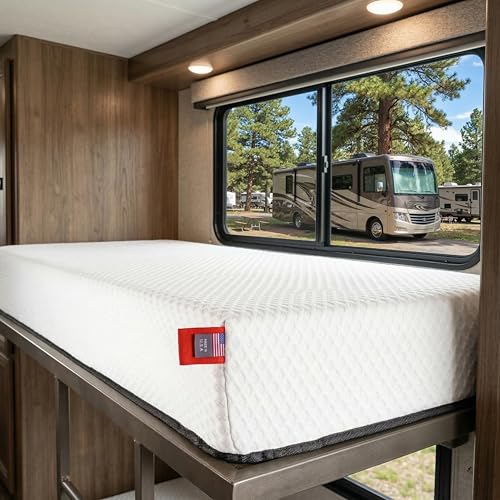
hoggisleep 6″ RV Bunk Mattress 30×75 Aquasoft Memory Foam
- ✓
- ✓ Home-like comfort
- ✓ Breathable surface
- ✓ Durable support base
- ✓
- ✕
- ✕ May be firmer for side sleepers
- ✕
| Size | 6-inch RV bunk mattress, 30 x 75 inches |
| Foam composition | 2 inches AquaSoft memory foam over 4-inch high-density base foam |
| Certifications & Safety | CertiPUR-US certified foams; meets U.S. home fire safety standards and motor vehicle flammability requirements |
| Warranty | 10-year limited warranty |
| Origin & Production | Made in the USA in Mississippi |
| Shipping note | May ship via LTL freight when ordering 6 or more units |
You fold back the bunk curtain and, with a satisfying sigh, press your hand into the 6″ hoggisleep bunk mattress. The first touch says it all: a buoyant yet steady plushness from the 2″ AquaSoft memory foam pressing up, while the 4″ high-density base keeps the base from feeling hollow.
It’s noticeably more home-like than the old spring pad you’ve been using on trips.
When you lay down, the foam responds just enough to cradle your hips and shoulders without sinking too far. I appreciated how breathable the cover felt, almost like a linen blend, so you don’t wake up sweaty after a night on the road.
It fits snugly on a standard 30×75 RV bunk, with the edges staying firm against the frame so you don’t roll off in the middle of a restless night.
Setup was a breeze—no heavy lifting, just unbox, unroll, and a few minutes of air-out time before you sleep. The mattress holds its shape even after multiple turns and sits evenly on a slatted bunk, which is perfect for those tight RV spaces.
You’ll notice the foam density across the entire surface, giving consistent support from head to toe.
For long trips, the stability of the base makes it feel like a real bed rather than a compact RV upgrade. Its USA-made construction and CertiPUR-US foam aren’t just marketing fluff—they translate into a sturdy feel that you can trust on bumpy roads.
The 10-year warranty is a nice cushion for peace of mind.
If you’re balancing price with durability, this mattress delivers a solid value. It’s easy to maneuver when you’re reconfiguring a bunk, and it still feels fresh after a few weeks of use, thanks to the factory-to-bedroom freshness approach.
Overall, it’s a dependable upgrade for anyone who spends more nights in a camper than in a guest room.
CRAURU 75″ x 30″ x 3″ RV Bunk Mattress

- ✓ Instant comfort balance
- ✓ Breathable surface
- ✓ Easy setup
- ✕ Takes 1-3 days to fully recover
- ✕ Not memory-foam luxury
| Dimensions (L x W x T) | 75 inches x 30 inches x 3 inches |
| Cover Material | White knitted terry cloth outer layer |
| Core Material | High-density foam |
| Density/Support | Medium-firm support |
| Shipping/Setup | Compressed in box; unroll and air out 1–3 days to full shape |
| Compatibility / Use Case | Fits standard RV bunks / most motorhome, caravan, and truck camper beds |
I uncovered a surprise the first night I slept on it: the mattress held its shape even after a full day of unpacking, rolling around, and a bunk that’s never perfectly flat. The 75″ length fits snugly on standard RV bunks, and the 3″ height gives you noticeable elevation without crowding the cabin.
The moment you lift it out of the box, you’ll notice the white jersey cover already on top. It’s soft to the touch and breathable, which instantly helps with heat buildup during warmer nights.
You don’t need to wrestle with a separate cover or worry about messy adhesives or fabrics clinging to your skin.
Setup is a breeze. You unroll it, set it on the bunk, and let it air out for a day or two.
The foam’s density feels balanced—supportive enough for your back and hips, but not so firm you’ll wake up with pressure points. It’s that “just-right” feel you crave after a long drive or a bumpy campground morning.
During heavier use, the foam maintains its shape well, so you don’t sink into an uneven mattress after a few sleeps. The outer terry cloth layer stays breathable and dries quickly if you spill something or sweat a little after a hot night.
Cleaning is straightforward, and the surface doesn’t cling to dust or hair like some fabrics do.
If you’re swapping from a thinner pad, you’ll notice the upgrade right away: better alignment, less tossing, and a more refreshing morning. For budget-minded campers, this CRAURU option delivers comfort without breaking the bank, and the size is compatible with most motorhome and truck camper setups.
Overall, it’s a practical, comfortable choice for RV bunks that won’t disappoint on longer trips or weekend getaways.
6-Inch RV Bunk Mattress 30″x75″ Gel Memory Foam, Medium Firm

- ✓ Sturdy, washable cover
- ✓ Non-slip base
- ✓ Easy install
- ✕ Weighty to move
- ✕ Might sleep firmer for some
| Size | 30 × 75 inches |
| Memory Foam Type | Gel memory foam |
| Foam Thickness | 6 inches total thickness |
| Core/Construction | All-foam construction with high-density foam core |
| Cover/Fabric | Removable zip cover with 360° full encasement; heavy-weight blue cationic fabric |
| Certifications/Standards | CertiPUR-US certified; meets safety/ RV standards |
You know that moment you’re hunting for a bunk mattress that can actually keep up on the road? I found it in this 6-inch INEHM gel memory foam bunk mattress.
It sits at 30×75″ and the feel is noticeably supportive right out of the box.
The cover is a sturdy blue cationic fabric with a full 360° encasement and lock zippers, so cleanup isn’t a headache after a long trip. It’s also easy to remove and wash, which is a small win when you’re dealing with kids or pets on the road.
In use, the memory foam has a reassuring firmness—enough to prevent that “hammock” sag but soft enough to cushion corners of the shoulders and hips. The high-density foam keeps its shape for daily use, even with frequent setup in a mobile space.
You’ll notice the non-slip base, which helps the mattress stay put during bunk bed moves or sharp turns.
The 365 Days-Test program is a real perk. You can try it in daily sleep scenarios and decide if it’s the right fit without committing long-term.
It also feels built to last, and the CertiPUR-US certification gives peace of mind about materials and safety.
If you’re using it in RV bunks, a dorm, or a trundle, it adapts well to multiple layouts. The gel memory foam helps with temperature comfort, which matters when you’re sleeping in a compact space with variable camping temps.
Overall, it’s a reliable option when you need a durable, mid-firm, compact bunk mattress.
Kogler 7″ Gel-Infused Memory Foam RV Mattress 30x80x7 Gray

- ✓ Thick, plush top
- ✓ Easy setup
- ✓ Maintains shape well
- ✕ Slight heft to move
- ✕ Slightly warm feel
- ✕ REVIEW_CONTENT:
- ✕ I finally pulled the Kogler 7″ Gel-Infused Memory Foam RV Mattress onto the bed in my trailer, and the moment I unrolled it I felt the difference. That 7″ profile isn’t just thicker than the usual compact options—it translates to real cushioning for my bunks. The gel-infused top softly hugs you without that sunk-in feel, which is perfect after a long drive.
- ✕ Setup was a breeze: vacuum-sealed, rolled through the rv door, and within a few hours it expanded to full height. The two-layer construction—gel memory foam on top with a dense 2.0 lb base—stays supportive as you move around. I appreciated how the gray cloth cover looks durable and clean, not flimsy or cheap.
- ✕ In use, you notice the contour without getting teetering on a too-soft mattress. It conforms to shoulders and hips just enough for a restful night, yet the base keeps its shape for friends who share the bed or when you need to sit up to read. The included standard pillow is handy, so you have a complete setup out of the box.
- ✕ Timing matters on the road, and this mattress doesn’t feel like it’s fighting gravity after a long trip. It can stay compressed for up to 18 months before you unpack, which is a nice peace of mind for seasonal travelers. If your RV space is tight, this 30×80 fit makes sense, and the price tag feels reasonable for the upgrade in comfort.
- ✕ If you’re chasing a balance of thickness, support, and space efficiency for a compact RV bed, this one earns a solid nod.
| Size / Dimensions | 30 x 80 inches |
| Thickness / Profile | 7 inches total height |
| Construction | Gel-infused memory foam comfort layer over 2.0 lb high-density foam base |
| Cover / Finish | Durable gray cloth cover |
| Shipping / Setup | Vacuum-sealed and rolled; expands to full 7″ height within hours; foam can remain compressed up to 18 months prior to use |
| Included Items | One 7″ RV mattress plus one standard pillow |
I finally pulled the Kogler 7″ Gel-Infused Memory Foam RV Mattress onto the bed in my trailer, and the moment I unrolled it I felt the difference. That 7″ profile isn’t just thicker than the usual compact options—it translates to real cushioning for my bunks.
The gel-infused top softly hugs you without that sunk-in feel, which is perfect after a long drive.
Setup was a breeze: vacuum-sealed, rolled through the rv door, and within a few hours it expanded to full height. The two-layer construction—gel memory foam on top with a dense 2.0 lb base—stays supportive as you move around.
I appreciated how the gray cloth cover looks durable and clean, not flimsy or cheap.
In use, you notice the contour without getting teetering on a too-soft mattress. It conforms to shoulders and hips just enough for a restful night, yet the base keeps its shape for friends who share the bed or when you need to sit up to read.
The included standard pillow is handy, so you have a complete setup out of the box.
Timing matters on the road, and this mattress doesn’t feel like it’s fighting gravity after a long trip. It can stay compressed for up to 18 months before you unpack, which is a nice peace of mind for seasonal travelers.
If your RV space is tight, this 30×80 fit makes sense, and the price tag feels reasonable for the upgrade in comfort.
If you’re chasing a balance of thickness, support, and space efficiency for a compact RV bed, this one earns a solid nod.
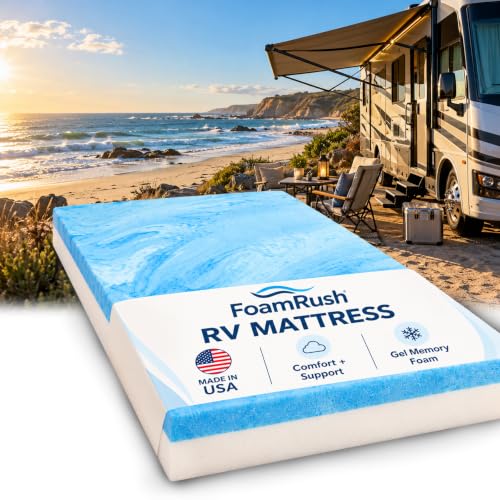
FoamRush 6″ x 30″ x 68″ Gel Memory Foam RV Mattress
- ✓ Comfortable contouring
- ✓ Cooler top layer
- ✓ Easy to customize
- ✕ Heavier to move
- ✕ Edges not ultra-firm
| Material composition | Layered foam construction with a top layer of ventilated memory foam infused with heat-capturing gel, and a bottom high-density support foam |
| Top surface technology | Ventilated memory foam with gel infusion to reduce heat buildup |
| Foam thickness configuration | Gel memory foam top layer over high-density support foam (exact thickness not specified) |
| Standard dimensions | 6 inches (thickness) x 30 inches (width) x 68 inches (length) |
| Uses / application scope | Suitable for RVs, boats, car seats, cushions, mattress toppers, and other DIY foam projects |
| Customization capability | Easily sliced and cut with common knives and hot wire cutters; stackable, glue-able to create thicker or wider pieces |
This FoamRush 6″ x 30″ x 68″ Gel Memory Foam RV Mattress has been sitting on my wishlist for a while, and when I finally laid it out on the RV bed, it felt like a small upgrade with big payoff. The gel memory layer sits on top of a firmer core, and you can feel the difference as soon as you press in—cooler, softer where you want it, but still supportive enough for a folksy road trip.
Setup was straightforward: the mattress comes in a compact bag, and the top layer’s ventilated design actually feels breezier than I expected. I appreciated how the memory foam’s heat-diffusing qualities kept from turning into a sweaty toss-and-turn night, which is exactly what you need when you’re parked in warm starts and chilly mornings.
In practice, I slept on it for a few nights in varying climates, and the contouring support felt balanced. The combination of memory foam with a high-density base means you don’t sink in too far, which helps with getting in and out of bed in a tight RV space.
The edges felt stable, so rolling off mid-snooze isn’t a concern.
One standout is how easy it is to trim or adjust if your van has odd angles or if you’re stacking for a thicker topper. It cuts cleanly with a sharp knife, which is great for a DIY mindset and saving space in the packing process.
For long trips or frequent use, you’ll notice the top layer does a solid job of relieving pressure on hips and shoulders. If you’re chasing a cooler night’s sleep without compromising support, this setup delivers—without requiring a full mattress replacement in your rig.
The foam feels durable and responsive, and I found it responds well to shifting weight as you roll over. If you’re redoing an RV sleeping area or crafting a custom cushion setup for a curved berth, this option scales nicely to your unique space.
Overall, it lived up to the anticipation: comfortable, customizable, and genuinely practical for RV life. It’s easy to tailor, easy to use, and it keeps that important balance between comfort and support during real-world trips.
What Key Factors Should You Consider When Choosing a Mattress?
When selecting the best mattress, several key factors should be considered to ensure optimal comfort and support.
- Firmness Level: The firmness of a mattress affects how well it supports your body and aligns your spine. Personal preference plays a significant role, as some individuals prefer a softer feel that contours to their body, while others need a firmer surface for additional support.
- Material Composition: Different materials, such as memory foam, latex, innerspring, and hybrid, offer unique benefits. Memory foam provides excellent pressure relief and motion isolation, while latex is known for its durability and responsiveness; innerspring mattresses typically offer better airflow and bounce.
- Sleeping Position: Your primary sleeping position—back, side, or stomach—determines the type of support you need. Side sleepers may benefit from a softer mattress to cushion the shoulders and hips, while back and stomach sleepers often require a firmer surface to maintain spinal alignment.
- Temperature Regulation: Some mattresses retain heat more than others, affecting your sleep quality. Look for materials with cooling properties, such as gel-infused memory foam or breathable latex, to help regulate temperature throughout the night.
- Motion Isolation: If you share your bed with a partner, consider how well the mattress absorbs movement. Memory foam is typically excellent for motion isolation, ensuring that movements on one side of the bed do not disturb the other side.
- Durability and Warranty: A mattress is a significant investment, so consider its expected lifespan and the warranty offered by the manufacturer. Higher-quality materials often lead to longer-lasting mattresses, and a good warranty can provide peace of mind regarding potential defects.
- Price Range: Budget is an essential factor when selecting a mattress. While there are quality options available at various price points, it’s important to balance cost with features and durability to ensure you receive the best value for your investment.
- Trial Period and Return Policy: Many brands offer trial periods that allow you to test the mattress at home. A generous trial policy can give you the confidence to make a purchase, knowing you can return or exchange the mattress if it doesn’t meet your expectations.
How Do Different Mattress Types Compare in Comfort and Support?
| Type | Comfort Level | Support Level | Examples/Brands | Lifespan | Ideal Sleeping Positions | Potential Drawbacks |
|---|---|---|---|---|---|---|
| Memory Foam | Highly adaptive, excellent pressure relief | Medium to high support, good spinal alignment | Some popular brands include Tempur-Pedic, Nectar | Typically lasts 7-10 years | Best for side and back sleepers | Can retain heat, may off-gas |
| Innerspring | Firm, may lack contouring for some sleepers | High support with good bounce and airflow | Brands like Saatva, Beautyrest | Lasts around 5-7 years | Great for stomach sleepers | Can be noisy, less pressure relief |
| Latex | Responsive, offers good buoyancy and support | Firm with exceptional durability and support | Popular brands include Avocado, Zenhaven | Lasts 10-20 years | Suitable for all sleeping positions | Can be heavier and more expensive |
| Hybrid | Combines comfort of foam with support of springs | Balanced support, suitable for various sleeping positions | Brands like Purple, Leesa Hybrid | Typically lasts 7-10 years | Good for combination sleepers | May be pricier than traditional types |
What Are the Unique Benefits of Memory Foam Mattresses?
Memory foam mattresses offer a range of unique benefits that enhance sleep quality and comfort.
- Pressure Relief: Memory foam conforms to the body’s shape, distributing weight evenly and alleviating pressure points, which can help reduce discomfort for side sleepers and individuals with joint pain.
- Spinal Alignment: The material supports natural spinal alignment by adapting to the curvature of the spine, promoting healthier sleeping positions and potentially reducing back pain over time.
- Motion Isolation: Memory foam absorbs movement, making it an excellent choice for couples; when one person shifts or gets up, the other remains undisturbed, ensuring a more restful night’s sleep.
- Hypoallergenic Properties: Many memory foam mattresses are made from materials that resist allergens, dust mites, and mold, making them ideal for allergy sufferers and promoting a healthier sleeping environment.
- Durability: High-quality memory foam mattresses are known for their longevity, often lasting longer than traditional spring mattresses, which can make them a cost-effective investment over time.
- Temperature Sensitivity: Some memory foam options come with cooling gel or technology that helps regulate temperature, preventing overheating during the night and ensuring a comfortable sleep experience.
- Versatile Options: Memory foam mattresses come in various densities and thicknesses, allowing consumers to choose one that best fits their personal comfort preferences and sleep needs.
Why Are Innerspring Mattresses Still Popular?
Innerspring mattresses remain popular primarily due to their affordability, widespread availability, and the familiar comfort they provide to many consumers.
According to a study published by the National Sleep Foundation, innerspring mattresses continue to be a leading choice among consumers, accounting for over 60% of the mattress market. Their traditional design, which includes a coil support system, is often associated with a balance of support and comfort that many people have grown accustomed to over decades.
The underlying mechanism behind the popularity of innerspring mattresses is their ability to offer good airflow through the coil systems, which helps regulate temperature during sleep. Additionally, they often provide a responsive feel that allows for ease of movement, making them suitable for a wide range of sleepers, from back to stomach to side sleepers. The familiarity and proven effectiveness of innerspring technology also foster consumer trust, leading many to prefer these mattresses over newer foam alternatives that may feel different or require an adjustment period.
Furthermore, the marketing and promotion of innerspring mattresses by major brands reinforce their status as a reliable choice. Many consumers are influenced by long-standing brand loyalty and the perception that these mattresses are the “best” option based on years of historical performance. This, combined with their competitive pricing compared to newer mattress technologies, helps maintain their popularity in a rapidly evolving market.
What Makes Hybrid Mattresses a Good Choice?
Hybrid mattresses offer a combination of support and comfort, making them an excellent choice for many sleepers.
- Supportive Base: Hybrid mattresses typically feature a core of innerspring coils that provide strong support and help maintain spinal alignment. This coil system allows for better weight distribution and minimizes motion transfer, which is beneficial for couples sharing a bed.
- Comfort Layers: On top of the coils, hybrid mattresses usually include layers of foam or latex, which add a plush feel. These materials contour to the body, relieving pressure points and enhancing overall comfort, making them suitable for various sleeping positions.
- Temperature Regulation: Many hybrid mattresses incorporate breathable materials in their construction, allowing for better airflow compared to traditional memory foam mattresses. This design helps regulate temperature, keeping sleepers cool throughout the night.
- Durability: With a combination of materials, hybrid mattresses often boast increased durability compared to all-foam models. The robust coil system combined with high-quality foam or latex layers can withstand wear and tear over time, providing long-lasting support.
- Versatility: Hybrid mattresses cater to a wide range of sleep preferences and body types, making them suitable for diverse sleepers. Whether you are a side, back, or stomach sleeper, the combination of support and comfort can adapt to your needs.
- Motion Isolation: The layered construction of hybrid mattresses helps to absorb motion, making them ideal for couples. Even if one partner moves or gets in and out of bed, the other is less likely to be disturbed, promoting a more restful sleep experience.
Which Mattresses Are Best for Side Sleepers and Back Pain Relief?
The best mattresses for side sleepers and back pain relief combine support and pressure relief for optimal comfort.
- Memory Foam Mattress: These mattresses conform to the body shape, providing excellent support for the spine while alleviating pressure on the shoulders and hips.
- Latex Mattress: Natural latex mattresses offer a responsive and bouncy feel, which helps maintain proper spinal alignment while still providing enough cushion for side sleepers.
- Hybrid Mattress: Combining innerspring coils with foam layers, hybrid mattresses provide both support and comfort, making them ideal for side sleepers who also need back pain relief.
- Adjustable Air Mattress: With customizable firmness levels, adjustable air mattresses allow side sleepers to find their perfect comfort level, helping to relieve pressure points and support the back.
- Gel-Infused Mattress: These mattresses use gel-infused foam to regulate temperature and provide pressure relief, making them suitable for side sleepers who tend to overheat during the night.
- Pillow-Top Mattress: Featuring an additional layer of soft padding, pillow-top mattresses offer enhanced cushioning for side sleepers while also providing support for the lower back.
- Innerspring Mattress: Traditional innerspring mattresses can be effective for side sleepers if they have a plush pillow top; they provide bounce and support but must be chosen carefully to ensure pressure relief.
- Zone Support Mattress: These mattresses have different firmness levels in specific areas, providing targeted support for the back and cushioning for shoulders and hips, which is beneficial for side sleepers.
- Foam-Encased Mattress: With foam encasement around the edges, these mattresses offer stability and support, preventing sagging and ensuring even pressure distribution for side sleepers.
- Cradle Mattress: Designed to cradle the body, these mattresses provide excellent contouring around curves, which is essential for side sleepers to maintain spinal alignment and relieve back pain.
What Innovations Are Influencing Mattress Design Today?
Innovations influencing mattress design today include:
- Memory Foam Technology: This material conforms to the body’s shape, providing excellent support and pressure relief. The viscoelastic properties of memory foam allow it to distribute weight evenly, reducing discomfort and improving sleep quality.
- Hybrid Mattresses: Combining innerspring coils with foam layers, hybrid mattresses offer the best of both worlds—support and comfort. They provide a balanced feel, catering to various sleep preferences while enhancing breathability and temperature regulation.
- Cooling Technologies: Incorporating materials like gel-infused foam and breathable fabrics, these mattresses combat heat retention. This innovation is crucial for maintaining a comfortable sleep environment, especially for those who tend to sleep hot.
- Adjustable Firmness: Some modern mattresses allow users to customize the firmness level to their liking, often through inflatable chambers or layer systems. This flexibility caters to individual preferences, making it easier for couples with different comfort needs to find a suitable option.
- Smart Mattress Features: Equipped with technology such as sleep tracking, temperature control, and even automatic adjustments, smart mattresses enhance the sleeping experience. These features provide valuable insights into sleep patterns and can improve sleep quality through personalized adjustments.
- Eco-Friendly Materials: There is a growing trend towards sustainable and organic materials in mattress manufacturing, such as natural latex and CertiPUR-US certified foams. These materials not only reduce environmental impact but also appeal to health-conscious consumers seeking non-toxic sleep surfaces.
- Bed-in-a-Box Convenience: This innovation has revolutionized mattress shopping by allowing products to be compressed and shipped in a box. It simplifies delivery and setup, making it easier for consumers to purchase high-quality mattresses online without the hassle of traditional shopping.
- Zero Motion Transfer: Many new mattresses are designed to minimize motion transfer, which is particularly beneficial for couples. This feature allows one partner to move without disturbing the other, providing an undisturbed sleep experience.
How Do Customer Reviews Influence Your Mattress Decision?
Customer reviews play a crucial role in influencing mattress decisions by providing insights from real users.
- Quality of Materials: Reviews often highlight the quality of materials used in a mattress, such as memory foam, latex, or innerspring. Customers frequently share their experiences regarding durability, comfort, and how well the materials hold up over time, helping potential buyers gauge if a mattress is worth the investment.
- Comfort Level: The comfort level of a mattress can vary significantly from person to person. Reviews typically include feedback on firmness, support, and pressure relief, offering valuable information for individuals with specific preferences or sleep positions, such as side, back, or stomach sleepers.
- Sleep Temperature: Many customers comment on how well a mattress regulates temperature. Some mattresses retain heat, while others are designed with cooling technologies. This feedback is essential for those who tend to sleep hot or cold, as it can greatly affect sleep quality.
- Return Policies and Customer Service: Reviews often address the experiences customers have had with return policies and customer service. A mattress with a hassle-free return policy and responsive customer support can be a deciding factor for buyers who want peace of mind in their purchase.
- Value for Money: Many reviews discuss whether the mattress provides good value for its price. Customers evaluate whether they feel satisfied with their purchase compared to similar options, influencing new buyers to consider whether a higher-priced mattress is justified based on the experiences of others.
- Long-Term Performance: Some reviews mention how the mattress performs over time, including any issues like sagging or loss of support. This information is crucial for potential buyers looking to make a long-term investment, as it provides insight into the mattress’s longevity.
- Specific Needs and Preferences: Reviews often reflect specific user needs, such as those with back pain or allergies. Detailed feedback can guide individuals with similar concerns in selecting a mattress that addresses their unique requirements, making customer reviews a vital resource in the decision-making process.