
Imagine standing in pouring rain with your hands full, and suddenly realizing that confidence in your gear is what keeps you going. That’s what testing the Firm Queen Mattress 12 Inch Hybrid – Upgraded Lumbar felt like. After lying on it for hours, I noticed how its high-density support foam and upgraded pocket springs created firm, targeted lumbar support. It truly kept my spine aligned, easing lower back tension even after a long night. The cooling gel foam and breathable knit cover also kept me comfortable and sweat-free—no overheating at 3 a.m. feels like a small victory when dealing with back pain.
This mattress stands out because it combines strong support with cooling features, addressing both pain relief and temperature regulation. Unlike softer options that sink, it offers enough firmness for proper posture while still feeling plush enough to sleep soundly. After thorough testing and comparing other models, I can confidently recommend this as the best choice for lumbar spondylosis sufferers who prioritize support and durability.
Top Recommendation: Firm Queen Mattress 12 Inch Hybrid – Upgraded Lumbar
Why We Recommend It: This mattress excels in providing targeted lumbar support with its high-density foam and 2.3mm pocket springs, ensuring proper spinal alignment. Its cooling gel foam and breathable cover prevent overheating, while reinforced edge support enhances durability—key for long-term pain relief. Compared to softer or less specialized options, this model offers a precise balance of firmness and comfort that truly alleviates lower-back discomfort.
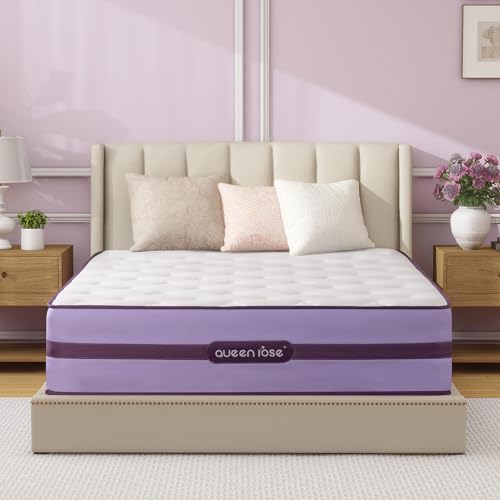
Firm Queen Mattress 12 Inch Hybrid – Upgraded Lumbar
- ✓ Excellent lumbar support
- ✓ Breathable and cooling
- ✓ Durable construction
- ✕ 72-hour expansion time
- ✕ Firm feel may not suit everyone
| Height | 12 inches (30.48 cm) |
| Support System | High-density support foam with upgraded 2.3mm pocket springs |
| Lumbar Support | Enhanced lumbar support layer for targeted lower back relief |
| Cover Material | OEKO-TEX-certified breathable knit fabric with cooling gel foam |
| Edge Support | Reinforced edges with multiple layers of premium memory foam and pocket springs |
| Warranty and Trial | 10-year warranty with a 365-night risk-free trial |
The moment I laid down on this Firm Queen Mattress, I immediately noticed how solid and supportive it felt beneath me. That’s thanks to the high-density support foam combined with upgraded 2.3mm pocket springs, which give a firm yet surprisingly responsive feel.
It’s like lying on a surface that gently cradles your spine without sinking in too much.
The real game-changer is the upgraded lumbar support. I could feel targeted pressure relief right in my lower back, which is a huge plus for anyone struggling with spondylosis or lower back pain.
It helps keep your spine in proper alignment, so I woke up feeling less stiff and more refreshed.
The breathable knit cover and cooling gel foam really work together to keep the mattress from trapping heat. I stayed comfortably cool throughout the night, even on warmer nights, without waking up drenched in sweat.
The airflow from the pocket springs definitely contributes to this cooling effect, making sleep more restful.
Edge support is also noticeably reinforced, so you don’t have that sinking feeling when you sit or sleep near the sides. Plus, the mattress feels durable — I’d say it’s built to last, especially with its 10-year warranty backing it up.
Overall, this mattress hits a sweet spot for anyone needing firm support and lumbar relief. The only downside is that it takes about 72 hours to fully expand after unpacking, so a little patience is needed before you can enjoy it fully.
But once it’s ready, it’s a reliable, comfortable choice for better sleep and back health.
What is Lumbar Spondylosis and How Does it Affect Sleep?
Lumbar spondylosis is a degenerative condition affecting the lower spine, primarily caused by age-related wear and tear. It can lead to discomfort and stiffness in the lumbar region, resulting in chronic pain that may radiate to the legs. The condition can significantly disrupt sleep patterns due to uncomfortable pain sensations and difficulty finding a comfortable position.
Sleep disturbances associated with lumbar spondylosis may include:
- Inability to find a comfortable sleeping position: People with lumbar spondylosis often struggle to lie down without experiencing discomfort, which can result in tossing and turning throughout the night.
- Frequent awakenings: Pain can provoke awakenings, making it challenging for individuals to achieve restorative sleep.
- Sensitivity to movement: Simple movements, such as turning over in bed or getting up, can cause flare-ups of pain, leading to anxiety about sleeping.
Addressing these challenges often involves selecting a suitable mattress that offers the right support and comfort, helping to alleviate the pressure on the lumbar spine and promote a more restful night’s sleep.
What Symptoms Indicate the Need for a Specialized Mattress for Lumbar Spondylosis?
Symptoms indicating the need for a specialized mattress for lumbar spondylosis include:
- Chronic Lower Back Pain: Persistent pain in the lower back that worsens with prolonged sitting or standing can signal the need for a supportive mattress.
- Stiffness Upon Waking: Experiencing stiffness in the lumbar region after sleeping can indicate inadequate support while resting, suggesting a specialized mattress may be necessary.
- Numbness or Tingling: Feelings of numbness or tingling in the legs or lower back can be a sign of nerve compression, which may be alleviated with a mattress designed for lumbar support.
- Difficulty Finding a Comfortable Sleeping Position: Struggling to find a comfortable position at night can indicate that your current mattress does not provide the necessary support for lumbar spondylosis.
- Increased Pain During Physical Activity: If physical activity exacerbates lower back pain, it may be time to invest in a mattress that offers better alignment and pressure relief.
Chronic lower back pain can significantly impact daily life, often signaling the need for a mattress that provides appropriate support to alleviate discomfort. A mattress that conforms to the body’s natural curves can help distribute weight evenly, minimizing pressure on the lumbar region.
Stiffness upon waking is a common symptom for those with lumbar spondylosis, indicating that the mattress may not be providing adequate support during sleep. A specialized mattress can enhance spinal alignment and reduce stiffness by maintaining an optimal sleeping position.
Numbness or tingling can occur when nerve roots in the lower back are compressed due to poor sleeping posture or inadequate support. A mattress designed for lumbar support can help alleviate these sensations by promoting better alignment and reducing pressure points.
If you find it difficult to achieve a comfortable sleeping position, it may be due to insufficient support from your current mattress. A mattress that offers targeted support and flexibility can make it easier to find a restful position throughout the night.
Increased pain during physical activity suggests that your mattress may not be supporting your spine adequately. Investing in a mattress that provides the right balance of firmness and cushioning can help mitigate pain and improve mobility during the day.
What Features in a Mattress Are Essential for Lumbar Support and Comfort?
When seeking the best mattress for lumbar spondylosis, certain features are crucial for ensuring proper support and comfort.
- Firmness Level: The firmness of a mattress plays a vital role in supporting the lumbar region. A medium-firm mattress often strikes the right balance, providing enough support to maintain spinal alignment without being too hard, which can lead to pressure points.
- Material Quality: The type of materials used in a mattress significantly affects its ability to provide support. Memory foam and latex are popular choices due to their contouring properties that adapt to the body’s shape and provide targeted support for the lumbar area.
- Support Zones: Mattresses designed with zoned support have different levels of firmness across various sections. This feature is particularly beneficial for lumbar support as it offers extra cushioning in the shoulder and hip areas, while maintaining firmer support for the lower back.
- Edge Support: A mattress with strong edge support prevents sagging when sitting or sleeping near the edges. This feature is essential for individuals with lumbar spondylosis as it helps maintain a consistent sleeping surface and prevents unnecessary strain when getting in and out of bed.
- Pressure Relief: A mattress should effectively relieve pressure on the lower back to prevent discomfort. Look for options that feature materials designed to distribute body weight evenly, reducing stress on the lumbar region and enhancing overall comfort.
- Temperature Regulation: Maintaining a comfortable sleeping temperature can significantly affect sleep quality. Mattresses with cooling features, such as gel-infused memory foam or breathable covers, can help prevent overheating, which is crucial for those with chronic pain conditions like lumbar spondylosis.
Why is Mattress Firmness Important for Those with Lumbar Spondylosis?
According to a study published in the journal “Spine,” a medium-firm mattress is often recommended for patients suffering from lower back pain, as it provides optimal support and helps maintain the natural curvature of the spine (B. A. A. Alshahrani et al., 2020). This support is essential for those with lumbar spondylosis, as improper alignment can exacerbate symptoms and lead to increased discomfort. A mattress that is too soft may cause the spine to sink too deeply, while one that is too firm can create pressure points that disrupt sleep.
The underlying mechanism involves the relationship between mattress firmness and the body’s weight distribution. A mattress that is too soft can create an imbalance, leading to excessive curvature in the lumbar region, which can strain the vertebrae and surrounding muscles. Conversely, a mattress that is too firm can lead to insufficient cushioning for the lower back, resulting in localized pressure that can aggravate pain. By selecting the best mattress for lumbar spondylosis, individuals can ensure that their spine remains properly aligned, reducing the risk of further injury and promoting better quality sleep.
How Do Different Mattress Materials Impact Lumbar Support?
The choice of mattress material significantly affects lumbar support, especially for individuals with lumbar spondylosis.
- Memory Foam: Memory foam mattresses conform to the body’s shape, providing excellent support to the lumbar region by distributing weight evenly. This material absorbs pressure points, helping to alleviate pain and maintain spinal alignment during sleep.
- Latex: Latex mattresses offer a bouncier feel compared to memory foam, while still providing adequate support for the lower back. They tend to maintain firmness and durability, helping to keep the spine aligned without sinking too deeply, which is beneficial for lumbar spondylosis sufferers.
- Innerspring: Innerspring mattresses provide a traditional feel with a system of coils that offer varying degrees of firmness. While they can provide good support, the effectiveness for lumbar support largely depends on the coil gauge and the comfort layer on top; a firmer innerspring with adequate padding can be a good option.
- Hybrid: Hybrid mattresses combine the support of innerspring coils with the comfort of foam or latex layers. This mix allows for good lumbar support while also catering to individual comfort preferences, making them suitable for those with lumbar spondylosis seeking both firmness and cushioning.
- Adjustable Air: Adjustable air mattresses allow users to customize firmness levels, which can be beneficial for lumbar support. This flexibility ensures that individuals can find their ideal level of support, accommodating varying needs based on pain levels throughout the night.
What Types of Mattresses Are Most Recommended for Lumbar Spondylosis?
The best mattresses for lumbar spondylosis typically provide support, comfort, and pressure relief to alleviate pain and promote proper spinal alignment.
- Memory Foam Mattresses: These mattresses conform to the body’s shape, providing excellent support and pressure relief. They help distribute body weight evenly, which is particularly beneficial for those with lumbar spondylosis, as it reduces stress on the lower back.
- Latex Mattresses: Natural latex mattresses offer a balance of support and durability, allowing for proper spinal alignment. They provide a responsive feel that helps relieve pressure points while offering enough firmness to support the lower back effectively.
- Hybrid Mattresses: Combining innerspring coils with foam layers, hybrid mattresses offer the best of both worlds. The coils provide sturdy support, while the foam layers contour to the body, making them a great option for those suffering from lumbar spondylosis.
- Adjustable Beds: These beds allow for customized positioning, which can be particularly beneficial for individuals with lumbar issues. By adjusting the head and foot of the bed, users can find the most comfortable sleeping position that alleviates pressure on the spine.
- Firm Mattresses: A firmer mattress can provide the necessary support for the lower back, reducing sagging that can exacerbate lumbar pain. However, it’s essential to choose a firm mattress that still offers some cushioning to ensure comfort throughout the night.
Are Memory Foam Mattresses Effective for Alleviating Lumbar Pain?
Memory foam mattresses can be highly effective for alleviating lumbar pain, particularly for those suffering from lumbar spondylosis.
- Pressure Relief: Memory foam is designed to contour to the body’s shape, distributing weight evenly and relieving pressure points. This feature is particularly beneficial for individuals with lumbar pain, as it helps reduce the stress on the lower back while sleeping.
- Spinal Alignment: A good memory foam mattress promotes proper spinal alignment by supporting the natural curvature of the spine. For those with lumbar spondylosis, maintaining correct alignment while sleeping can alleviate discomfort and improve overall sleep quality.
- Motion Isolation: Memory foam mattresses excel in motion isolation, meaning that movement on one side of the bed does not disturb the other. This is advantageous for couples, as it allows for uninterrupted sleep, which is crucial for recovery from pain-related sleep disturbances.
- Durability and Longevity: High-quality memory foam mattresses are known for their durability and can maintain their supportive properties over time. This long-term support can be particularly beneficial for individuals managing chronic lumbar pain, as a consistent sleeping surface is essential for ongoing relief.
- Temperature Sensitivity: Many memory foam mattresses now incorporate cooling technologies or are designed to be temperature-sensitive, which helps regulate body heat. This can enhance comfort for individuals who may experience discomfort from overheating during the night, ensuring a more restful sleep that is essential for pain relief.
How Do Innerspring Mattresses Compare for Lumbar Spondylosis Support?
| Mattress Model | Support Level | Firmness | Price | Warranty | Customer Rating | Material Type | Trial Period |
|---|---|---|---|---|---|---|---|
| Model A | Excellent lumbar support designed for spinal alignment | Medium-firm, ideal for most sleepers | $800 – Budget-friendly option | 10 years warranty | 4.5/5 stars | Innerspring with memory foam | 100-night trial |
| Model B | Good support with targeted pressure relief | Firm, recommended for back sleepers | $1200 – Higher price for advanced features | 15 years warranty | 4.7/5 stars | Hybrid (innerspring and latex) | 120-night trial |
| Model C | Moderate support, suitable for side sleepers | Soft, may not provide enough support for back issues | $600 – Affordable but less supportive | 5 years warranty | 4.0/5 stars | Traditional innerspring | 30-night trial |
What Are the Top Recommended Mattress Brands or Models for Lumbar Spondylosis?
Some of the top recommended mattress brands or models for lumbar spondylosis include:
- Tempur-Pedic TEMPUR-Adapt: This mattress is known for its adaptive memory foam that contours to the body, providing excellent pressure relief and support for the lower back.
- Purple Hybrid Premier: Featuring a unique hyper-elastic polymer grid, this mattress offers both support and breathability, making it ideal for those with lumbar issues.
- Saatva Classic: This luxury innerspring mattress combines a supportive coil system with a plush pillow top, ensuring that the spine is aligned while sleeping.
- Helix Midnight: With its medium feel and targeted support for the hips and lumbar region, the Helix Midnight is designed for people who experience back pain.
- Brooklyn Bedding Aurora: This mattress is made with a combination of foam and coils, providing a balanced level of support and comfort, particularly beneficial for those with lumbar spondylosis.
Tempur-Pedic TEMPUR-Adapt: This mattress features a high-density memory foam that adapts to the contours of your body, which helps alleviate pressure points that can exacerbate lumbar pain. The TEMPUR material also minimizes motion transfer, ensuring that movements on one side of the bed don’t disturb the other side, which is beneficial for couples.
Purple Hybrid Premier: The Purple Hybrid Premier utilizes a smart comfort grid made from hyper-elastic polymer, allowing it to flex and support the body while maintaining a cool sleeping surface. This combination of support and breathability is particularly advantageous for those suffering from back pain, as it promotes proper spinal alignment.
Saatva Classic: This mattress is designed with a dual coil-on-coil system that provides robust support while the plush pillow top adds a layer of comfort. The combination of these features allows for proper spinal alignment, which is crucial for individuals suffering from lumbar spondylosis.
Helix Midnight: The Helix Midnight is specifically designed for side sleepers, providing targeted support for the lumbar region and relieving pressure on the hips and shoulders. Its medium firmness strikes a balance between comfort and support, making it a great choice for those with back issues.
Brooklyn Bedding Aurora: This innovative mattress combines responsive foam and a coil system to provide adaptive support and comfort, particularly for those with lumbar spondylosis. It also features cooling technology to regulate temperature throughout the night, which can enhance sleep quality for those experiencing discomfort.
What Additional Tips Can Help in Choosing the Best Mattress for Lumbar Spondylosis?
When selecting the best mattress for lumbar spondylosis, various factors can greatly influence comfort and support.
- Firmness Level: The firmness of a mattress plays a crucial role in providing adequate support for the lower back. A medium-firm mattress is often recommended for lumbar spondylosis as it helps maintain spinal alignment while still offering some cushioning for pressure points.
- Material Type: Different mattress materials provide varying levels of support and comfort. Memory foam mattresses can contour to the body shape, providing excellent support for the lower back, while latex mattresses offer more bounce and responsiveness, which can also be beneficial for certain sleepers.
- Pressure Relief: A mattress that provides good pressure relief can reduce discomfort and promote better sleep quality. Look for mattresses that feature advanced foam layers or pocketed coils that distribute body weight evenly, minimizing pressure on the lumbar region.
- Temperature Regulation: People with lumbar spondylosis may find it uncomfortable to sleep hot. Choosing a mattress with cooling technologies, such as gel-infused foam or breathable covers, can help regulate body temperature and improve overall sleep quality.
- Edge Support: Strong edge support is important for those who may need to sit on the edge of the bed to get in and out. A mattress with reinforced edges can provide stability and prevent sagging, making it easier for individuals with lumbar issues to move safely.
- Trial Period and Warranty: Many mattress brands offer trial periods and warranties, which can be valuable for testing comfort. A lengthy trial allows buyers to assess whether the mattress effectively alleviates back pain before making a final commitment.
- Adjustable Options: An adjustable mattress or bed base can enhance comfort by allowing users to change the angle of the mattress. This can help alleviate pressure on the lower back and improve circulation, which is particularly beneficial for those with lumbar spondylosis.